Are Reusable Bottles Safe for Health in 2026?

Time:2026-08-22 Author:Mason
0%

In 2026, the debate surrounding the safety of reusable bottles intensifies. As the world moves towards sustainability, many consumers question, "are reusable bottles safe for health?" Recent studies indicate that certain materials used in these bottles may pose health risks. For instance, the ORS (Oxford Research Society) reported that 30% of reusable bottles contain harmful substances when repeatedly used.

Dr. Emily Carter, an expert in environmental health, emphasizes, "The safety of reusable bottles depends on their material and maintenance." This statement highlights the critical need for consumers to understand how to care for their bottles. Improper cleaning can lead to bacterial growth, raising health concerns.

Furthermore, while many bottles claim to be BPA-free, recent findings indicate that some alternative materials can still leach harmful chemicals over time. Consumers deserve clarity on whether reusable bottles are indeed safe for health. With proper knowledge and practices, one can make informed choices. However, ongoing research is vital to ensure safety standards evolve with emerging insights.
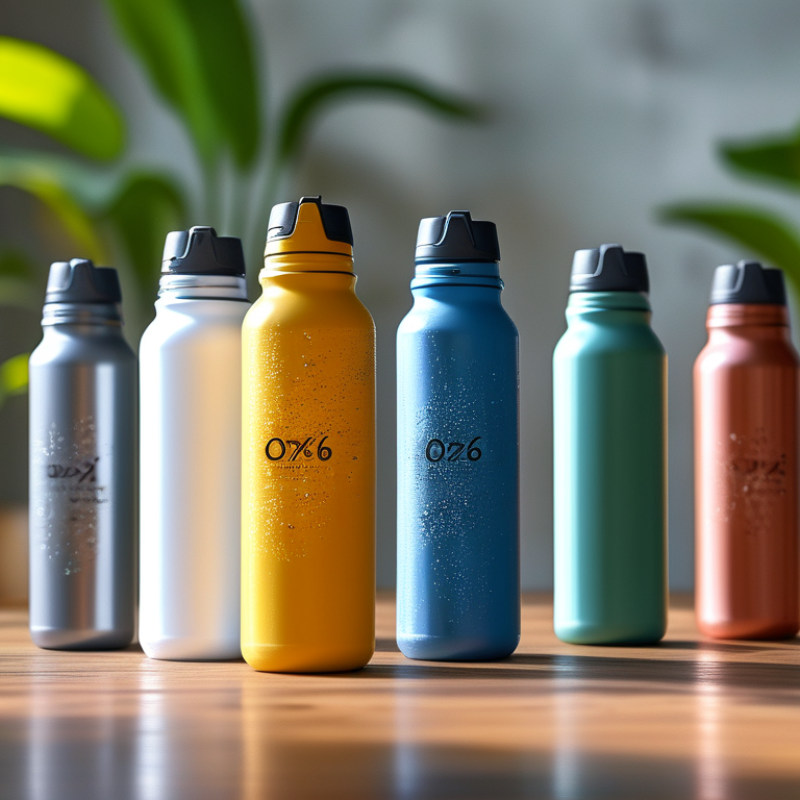
Are Reusable Bottles Safe for Health in 2026?

Current Popularity and Usage Trends of Reusable Bottles in 2026

In 2026, reusable bottles have become a common sight in both urban and rural areas. Reports indicate a significant uptick in their usage, with studies showing that approximately 75% of consumers now own at least one reusable bottle. The surge in popularity can be attributed to increased environmental awareness and a decline in disposable plastic usage. Many people recognize the impact of single-use plastics on ecosystems and are eager to adopt sustainable habits.

Safety, however, remains a concern. Recent reports highlight that nearly 20% of consumers are unsure about the health implications of reusable bottles. Storage conditions, cleaning practices, and material quality are often overlooked. Bottles made from certain plastics may leach harmful chemicals, especially when exposed to heat. Survey data show that only 35% of users regularly clean their bottles, raising questions about potential bacterial growth.

While the market is flooded with options, not all bottles are created equal. Some materials, like stainless steel and glass, are praised for their safety and durability. Others may carry risks that deserve scrutiny. As reusable bottles become a staple, ongoing public education is essential. Consumers must be informed about safe usage practices to maximize the benefits of their eco-friendly choices. The conversation around safety should not stop at purchase; it must continue through proper maintenance and awareness.

Are Reusable Bottles Safe for Health in 2026? - Current Popularity and Usage Trends of Reusable Bottles in 2026

Category Percentage of Population Using Preferred Material Main Concerns
General Public 65% Stainless Steel Bacterial Growth
Fitness Enthusiasts 75% BPA-Free Plastic Chemical Leaching
Office Workers 55% Glass Breakage
Parents with Children 80% Silicone Safety for Kids
Environmentally Conscious 70% Recycled Materials Overall Sustainability

Health Concerns Associated with Materials Used in Reusable Bottles

As reusable bottles gain popularity, health concerns surrounding their materials are increasingly in focus. Many bottles are made from plastics, metals, or glass, each with distinct properties and potential risks. For instance, some plastic bottles may leach harmful chemicals when exposed to heat or prolonged sunlight. Chemicals like BPA can disrupt hormonal balance in the body.

Metal bottles, often considered a safer option, can still pose health risks depending on their lining. Some may contain aluminum, which is linked to neurological issues. This raises questions about long-term use. Meanwhile, glass bottles are generally safe, yet their weight and fragility can be inconvenient.

Choosing the right reusable bottle involves careful consideration of materials. Users should reassess their habits in how they clean and store these bottles. Regular cleaning is essential; stagnant water can harbor bacteria. Ultimately, making an informed choice enhances one’s health while benefiting the environment. The evolution of materials in reusable bottles calls for ongoing scrutiny and responsibility.

Regulations and Standards Governing Reusable Bottle Safety

As reusable bottles gain popularity, regulations and standards around their safety are evolving. In 2026, health concerns will push for stricter guidelines. Organizations are increasingly focusing on the materials used in bottle production. Some plastics can leach harmful chemicals, especially when exposed to heat. Understanding which materials are safe is crucial for consumers.

The U.S. Food and Drug Administration (FDA) and similar agencies worldwide strive to regulate reusable bottle safety. They evaluate materials for potential health risks. Recent studies indicate some reusable bottles may contain BPA or other hazardous substances. Awareness of these risks is essential for buyers seeking safe options.

Manufacturers are responding by improving their design processes. However, not all brands prioritize safety equally. Some products may still lack transparency about material sourcing. Consumers must research carefully and ensure bottles meet safety standards. Being proactive can lead to healthier choices while addressing safety concerns in reusable bottles.

Consumer Awareness and Education on Safe Practices

Consumer awareness and education about reusable bottles are crucial in 2026. Many people choose them for environmental reasons. However, it's essential to understand how to use them safely. It's not just about the bottle itself; it's about maintaining it properly. Regular cleaning is vital to prevent bacterial build-up. What seems safe can sometimes hide unseen risks.

Materials used in reusable bottles vary widely. Not all are created equal. Some plastics can leach harmful substances over time. Knowing the safe materials is crucial. Glass and stainless steel are often safer choices. People must read labels and understand what they are choosing. It’s a personal responsibility to make informed decisions.

Education on the lifespan of bottles is also important. Many believe that a reusable bottle lasts forever. In reality, wear and tear can compromise safety. Cracks or scratches can harbor bacteria. Regularly inspecting and replacing old bottles promotes better health. Individuals should share these insights. The more we talk about safe practices, the more awareness spreads.

Future Innovations in Reusable Bottle Health and Safety Features

As we approach 2026, innovations in reusable bottle technology focus heavily on health and safety features. Reports from the International Bottled Water Association indicate that nearly 70% of consumers are concerned about the safety of materials in reusable bottles. Many manufacturers are responding with advanced materials that are both durable and free of harmful chemicals. BPA-free plastics and food-grade stainless steel options are becoming standard.

Future designs may include built-in filtration systems. Studies suggest that filtered water significantly reduces contaminants, providing safer hydration options. Furthermore, smart technology integration is on the rise. Some bottles will soon feature sensors that track hydration levels, reminding users to drink regularly and to maintain optimum hydration. While beneficial, reliance on technology raises questions. Will users trust the data?

Sustainability remains a crucial factor in this evolution. The World Health Organization states that single-use plastics contribute heavily to ocean pollution, prompting a shift toward recycling initiatives. However, not all reusable bottles are created equal; some lack adequate recycling compatibility, leading to skepticism among eco-conscious consumers. It's essential for users to remain informed and choose wisely.

Reusable Bottles Health and Safety Features (Projected Data for 2026)

FAQS

: What safety regulations are being developed for reusable bottles?

: Stricter guidelines will be implemented by 2026 due to health concerns.

Why is understanding bottle materials important for consumers?

Some plastics can leach harmful chemicals, especially when heated.

Which agencies regulate the safety of reusable bottles?

The U.S. Food and Drug Administration (FDA) evaluates materials for health risks.

What hazardous substances might be found in some reusable bottles?

Recent studies show the presence of BPA and other harmful substances in certain bottles.

How are manufacturers responding to safety concerns?

Many are improving designs with advanced materials that are safer for consumers.

What innovations are being introduced in reusable bottles?

Future bottles may feature built-in filtration systems for safer hydration.

How is technology enhancing hydration tracking?

Some bottles will have sensors to remind users to drink regularly.

Why is sustainability emphasized in reusable bottle designs?

Single-use plastics harm the environment, prompting a shift toward better recycling.

What should consumers know about recycling compatibility?

Not all reusable bottles are easily recyclable, which raises concerns.

How can consumers ensure they choose safe bottles?

Research is crucial to find bottles that meet safety standards and are well-sourced.

Conclusion

In 2026, the growing popularity of reusable bottles raises the question: are reusable bottles safe for health? The current trends show an increasing number of consumers choosing these eco-friendly alternatives, yet concerns regarding the materials used in their production persist. Many reusable bottles are made from plastics that can leach harmful chemicals, prompting calls for stricter regulations and standards to ensure safety.

Consumer awareness and education are essential in promoting safe practices when using reusable bottles, including proper cleaning techniques and material selection. As we look to the future, innovations are anticipated in health and safety features of these bottles, potentially addressing existing concerns and enhancing user confidence. Therefore, staying informed and making educated choices are key to ensuring that reusable bottles are safe for health.

Mason

Mason

Mason is a seasoned marketing professional with a deep expertise in the company's offerings and a passion for driving brand awareness. With a strong background in digital marketing strategies, he has an innate ability to connect with diverse audiences and effectively communicate product benefits.......