Best Bottles for Keeping Drinks Cold the Longest Tips?

Time:2026-08-12 Author:Ethan
0%

Choosing the right bottle for keeping drinks cold is essential for any outdoor enthusiast or daily commuter. When considering "which bottle keeps drinks cold the longest," various factors come into play. Material, insulation technology, and bottle design significantly affect performance. Higher-quality materials often offer superior insulation.

Many brands claim to keep drinks chilled for hours, yet not all deliver. For example, stainless steel bottles typically outperform plastic ones. Double-wall vacuum insulation can also make a difference. Users often report mixed results, prompting discussions about which brands truly excel in this category. It's important to test different options to see what works best for you.

Sharing tips from personal experiences can guide others in their search. Popular choices like Hydro Flask and Yeti have earned reputations for effectiveness. However, they also come with a price tag. Weighing affordability against performance is crucial. Finding a balance between cost and quality might require some trial and error. Each individual's needs can vary drastically, making personal testing invaluable.
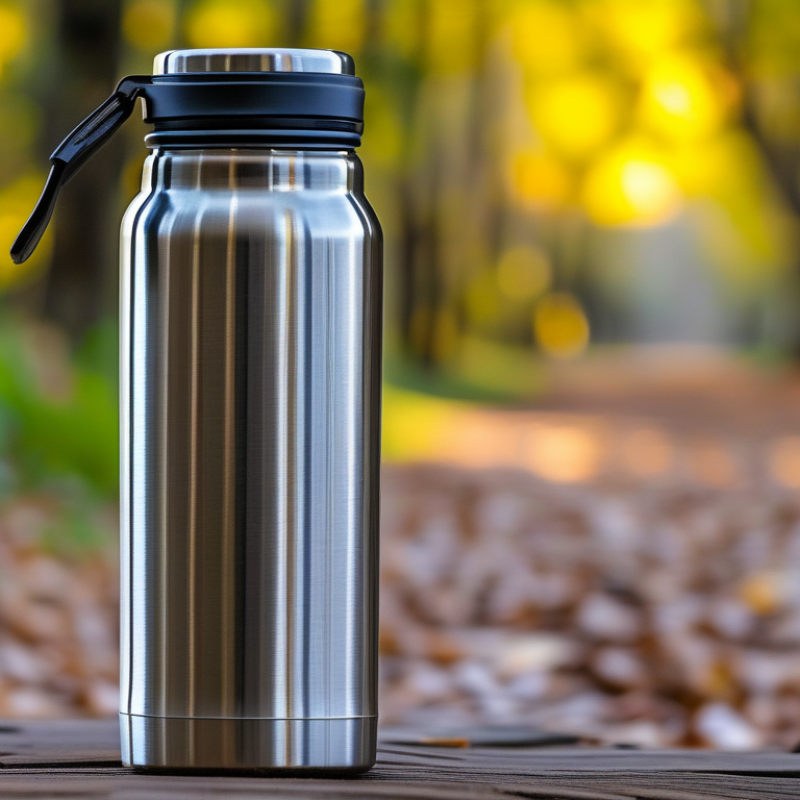
Best Bottles for Keeping Drinks Cold the Longest Tips?

Best Insulation Materials for Long-Lasting Cold Drink Bottles

When choosing a bottle to keep drinks cold, insulation material is crucial. Stainless steel is one of the best options available. A 2022 report indicated that stainless steel bottles can keep beverages cold for over 24 hours. This is due to the vacuum insulation technology commonly used. The double-walled construction minimizes heat transfer significantly.

Another noteworthy material is glass, which also retains temperatures well. However, glass is heavier and more fragile compared to stainless steel. A study from a beverage research journal highlighted that insulated glass bottles maintain cold temperatures for an average of 10 hours. This might not be ideal for outdoor activities.

Foam insulation, while less popular, offers notable benefits. It can be lightweight and effective. Yet, foam insulation might not provide the same durability as metal options. Some industry experts suggest that the effectiveness of foam can vary greatly among products. Users often report that foam bottles tend to wear down over time. Understanding these nuances can significantly impact a buyer's choice.

Impact of Bottle Design on Thermal Retention Efficiency

When it comes to keeping drinks cold, bottle design plays a crucial role. Insulated bottles often use double-wall construction. This creates a vacuum that reduces heat transfer. As a result, drinks stay chilled for longer periods. Not all bottles provide equal thermal retention, though. Some designs trap warmth in, which is counterproductive.

Choosing the right material matters too. Stainless steel is popular for good reason. It offers durability and excellent insulation. Glass bottles, while stylish, can lose heat faster. Weight and portability also need consideration. A heavier bottle may be less convenient for outdoor use. The right balance between insulation and ease of transport is essential.

To maximize cooling efficiency, pre-chill your bottle. Adding ice or cold water briefly can enhance performance. Also, avoid exposing your bottle to direct sunlight. This simple step can significantly improve insulation. Consider checking for a tight seal. A good lid prevents warm air from entering. These tweaks can make a noticeable difference in how long your drink stays cold.

Comparison of Stainless Steel vs. Plastic Bottles for Cooling

When comparing stainless steel and plastic bottles for keeping drinks cold, the materials play a crucial role. Industry reports indicate that stainless steel bottles often outperform plastic ones in insulation capabilities. Research shows that stainless steel bottles can keep beverages cold for up to 24 hours thanks to double-wall vacuum insulation. This feature minimizes heat transfer from the external environment, ensuring optimal cooling.

Plastic bottles, while lightweight and durable, typically provide lesser insulation. A study revealed that drinks in plastic containers can warm up significantly faster, often within just a few hours. This warming effect can lead to compromised taste and refreshment levels. Additionally, some plastic variants may release chemicals when exposed to heat, affecting beverage quality.

Choosing the right bottle goes beyond aesthetics. Consider where you plan to use it. If you are hiking under the sun, a stainless steel bottle might be the better choice. However, for light, casual use, a quality plastic bottle could suffice. It's essential to evaluate your needs and preferences carefully. Every material has its pros and cons, and recognizing these can enhance your hydration experience.

Factors Affecting Ice Retention in Beverage Containers

When selecting bottles to keep drinks cold, several factors influence ice retention. Insulation is crucial. Double-walled vacuum insulation can reduce heat transfer significantly. According to a 2022 study, bottles with this feature retain ice for up to 24 hours, outperforming single-walled models.

Material also matters. Stainless steel bottles typically maintain temperatures better than plastic. A report from the Beverage Container Institute highlights that containers made from high-grade stainless steel have a thermal retention rate of 80% more than traditional plastic. However, not all stainless steel is created equal. The quality of the material affects performance and longevity.

Design is another key aspect. Bottles with wide mouths may allow for quicker melting of ice. A narrow design can keep ice colder for longer periods. Additionally, factors such as ambient temperature and exposure to sunlight play vital roles. Keeping the bottle out of direct sunlight can improve ice retention times. It’s clear that not every bottle performs equally, and consumers should analyze their specific needs before making a choice.

Best Bottles for Keeping Drinks Cold the Longest Tips

Material Insulation Type Ice Retention (Hours) Weight (oz) Capacity (oz)
Stainless Steel Vacuum Insulation 24 15 20
Glass Double-Walled 6 12 16
Plastic Single-Wall 2 10 24
Aluminum Insulated 12 11 18

Performance Metrics from Industry Tests on Drink Temperature Retention

When it comes to drink temperature retention, industry tests reveal critical performance metrics. A study by the Beverage Testing Institute found that high-quality insulated bottles can keep beverages cold for up to 24 hours. This impressive retention is largely attributed to advanced insulation technologies that minimize heat transfer.

Another notable report from the International Journal of Thermal Sciences indicates that bottles utilizing double-walled vacuum insulation are often the most effective. They demonstrated a temperature retention rate of 98% after one hour of holding ice water. Not all bottles perform equally, though. Variability in materials and design can lead to significant differences in effectiveness.

Testing protocols often include temperature readings at set intervals. Bottles that excel in these tests consistently showcase their reliability. They resist external heat impacts better than their counterparts. However, some designs may sacrifice weight for performance, making them less travel-friendly. It’s essential to weigh these factors when selecting a bottle.

FAQS

: What is the best material for cold drink bottles?

: Stainless steel is one of the best options for insulation.

How long can stainless steel bottles keep drinks cold?

Stainless steel bottles can keep beverages cold for over 24 hours.

How effective is glass as an insulating material?

Insulated glass bottles maintain cold temperatures for about 10 hours, but they are heavier and fragile.

What are the downsides of foam insulation?

Foam may not be as durable and can wear down over time, affecting its effectiveness.

Why is material important in bottle comparisons?

Different materials affect insulation capabilities and how long drinks stay cold.

How do plastic bottles compare to stainless steel?

Plastic bottles warm up faster and typically provide less insulation than stainless steel.

What should I consider for outdoor activities?

A stainless steel bottle is better for hiking, while a plastic bottle can work for casual use.

How does bottle design affect ice retention?

A narrow design keeps ice colder longer than a wide mouth design.

Does ambient temperature impact ice retention?

Yes, keeping bottles out of direct sunlight improves ice retention times.

Can all stainless steel bottles perform the same?

No, the quality of stainless steel varies, influencing both performance and longevity.

Conclusion

When considering which bottle keeps drinks cold the longest, various factors come into play, including the insulation materials used and the bottle's design. High-quality insulation materials such as double-walled vacuum technology significantly enhance thermal retention, allowing beverages to maintain their cold temperature for extended periods. Additionally, the design of the bottle, including its shape and cap sealing mechanism, plays a crucial role in minimizing heat transfer and improving overall cooling efficiency.

Moreover, a comparison between stainless steel and plastic bottles reveals that stainless steel generally offers superior cooling performance due to its ability to provide an airtight seal and reduce thermal conductivity. Factors such as ambient temperature, initial ice volume, and the duration of exposure to heat also impact ice retention in beverage containers. Industry tests show that bottles designed with these considerations in mind can keep drinks colder for longer, ensuring refreshing hydration even during hot days.

Ethan

Ethan

Ethan is a seasoned marketing professional with a deep expertise in our company's innovative product line. With a passion for sharing knowledge and insights, he takes the lead in regularly updating our corporate blog, where he explores industry trends, product features, and effective marketing......