Choosing the right drinkware for travel can greatly enhance your experience. Many travelers overlook this important aspect. However, with the right tips, selecting suitable drinkware becomes easier.
Consider how to choose drinkware for travel. Look for materials that are durable and lightweight. Stainless steel, for instance, offers great insulation. Additionally, ensure that the design fits your needs. A spill-proof lid can be a lifesaver during bumpy rides.
Think about your drink preferences. Do you enjoy hot coffee or cold water? Your drinkware should cater to these choices. Also, don’t forget about cleaning ease. Simplicity matters when you’re on the go. While there are numerous options available, not all are ideal for every traveler. Reflecting on these points will lead you to the best travel drinkware for your adventures.
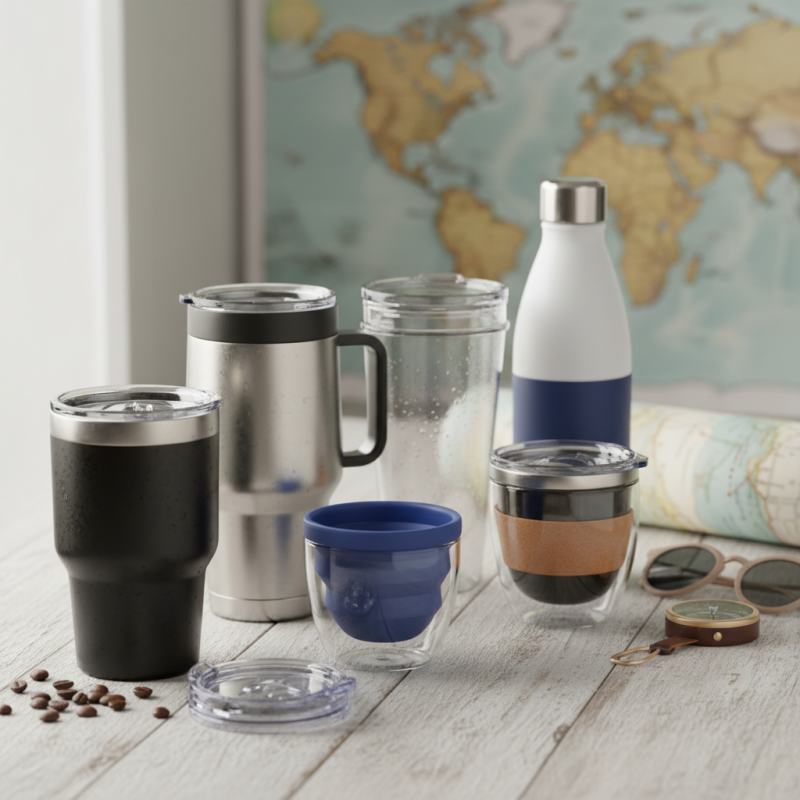
When evaluating travel drinkware, the material plays a crucial role. Stainless steel is robust and offers excellent insulation. It keeps drinks hot or cold for extended periods. Many people appreciate its durability and resistance to odors. However, stainless steel can sometimes feel heavier than other options. This weight might matter for hikers or backpackers.
Glass drinkware holds a different appeal. It is often seen as stylish and is great for those who prefer their drinks to taste pure. Glass does not retain flavors, making it ideal for diverse beverages. But, it is also more fragile. If you travel a lot, a glass cup can easily break. That’s a risk worth considering.
Plastic drinkware is lightweight and often the cheapest choice. It's ideal for casual situations and easier to carry. However, not all plastics are created equal. Some can leach chemicals, especially when exposed to heat. Always check if it’s BPA-free. Remember, each material comes with its pros and cons. Be mindful of your usage and lifestyle. Think about how you plan to travel, and choose accordingly.
When choosing travel drinkware, understanding insulation is key. Double-walled design offers numerous advantages. This design features two layers that trap air in between, providing excellent thermal insulation. As a result, it keeps beverages hot or cold for longer periods. This technology is particularly beneficial during adventures in extreme weather. Whether hiking in the cold or enjoying iced drinks on a hot day, double-walled mugs excel.
The aesthetics of double-walled drinkware also deserves attention. Many feature sleek and modern designs. This can enhance the overall travel experience because they fit well in a backpack or car cup holder. However, travelers should be aware that not all double-walled options are created equal. Some may not provide effective insulation. Always read reviews to gauge performance before making a choice. This ensures that the drinkware you pick truly meets your needs.
Lastly, while double-walled drinkware is popular, it can be bulkier than single-wall options. This may not suit every traveler. Think about how much space you have when packing. Reflect on your priorities—does size matter more than insulation? Finding the right balance will lead to a satisfying travel experience.
When selecting travel drinkware, capacity is a crucial factor that affects overall satisfaction. According to a recent report by the Travel Industry Association, about 42% of travelers consider size when choosing their drinkware. This statistic reflects the need for practical solutions on the go.
For light travelers or day hikers, smaller bottles (around 12-16 oz) may suffice. If you’re planning longer excursions, consider larger options (24 oz or more). A travel survey noted that users who had multiple sizes available reported higher utility satisfaction. It often isn't enough to have one bottle that is either too big or too small.
Don't forget about hydration needs. An average adult requires about 2 liters of water daily. A bottle that holds 20 oz would necessitate refilling throughout the day. Remember, practicality should guide your choice. However, many users find themselves wrestling with options and often ignore their hydration needs. A good practice is to assess your habits before making a decision. It can be tempting to choose based on style over size, but practicality should always win out.
| Tip Number | Tip Description | Recommended Capacity (ml) | Best Use Case |
|---|---|---|---|
| 1 | Consider how long you'll be away from refills. | 500 | Day trips |
| 2 | Evaluate your hydration needs based on activity level. | 750 | Hiking |
| 3 | Choose size based on your bag's storage capacity. | 350 | Compact travel |
| 4 | Ensure the weight is manageable for your travels. | 600 | Long flights |
| 5 | Select a size suitable for both hot and cold beverages. | 500 | Everyday use |
| 6 | Look for easy-to-drink lids for convenience. | 400 | On-the-go |
| 7 | Think about the type of beverages you'll carry. | 800 | Camping |
| 8 | Check for insulation properties for temperature retention. | 600 | Coffee lovers |
| 9 | Consider styles that fit your personal aesthetics. | 500 | Stylish outings |
| 10 | Factor in ease of cleaning for regular use. | 700 | Daily commuting |
When considering travel drinkware, portability and design are crucial. An ideal travel mug should easily fit in your carry bag. According to a recent industry survey, 70% of travelers prioritize lightweight options. Heavy drinkware can be cumbersome, especially during long trips.
The design should also enhance usability. For example, a well-designed lid prevents spills. A user-centric design often leads to higher satisfaction rates. A study highlighted that 80% of consumers prefer ergonomic features that allow for better grip and comfort. However, not all designs are functional. Sometimes, aesthetics compromise practicality.
Additionally, materials matter. Stainless steel is favored for insulation and durability. Yet, some materials can make drinkware heavier, which may not work for everyone. A lightweight option might sacrifice insulation but could be more convenient for dynamic travel. Balancing these factors is essential for an optimal travel experience.
When it comes to travel drinkware, cleaning is crucial. Regular upkeep extends the lifespan of your bottles or mugs. Rinse your drinkware after each use. This prevents stubborn stains and odors from developing. For deeper cleaning, consider using a mix of warm water and vinegar. Let it soak for a few hours. This method effectively removes any lingering residue.
Another important aspect is to check the material your drinkware is made from. Stainless steel requires different care than plastic. Always refer to the care instructions. Not all drinkware is dishwasher safe. If in doubt, hand wash using mild detergent. This simple step can avoid wear and tear.
Pay attention to maintenance details. Inspect for scratches or damage regularly. A cracked bottle can lead to leaks. If you notice rust or discoloration, it’s time to replace your drinkware. Remember, investing in quality is key. However, quality alone won't last without proper care. Reflect on your habits and adapt them for longevity. Prioritizing maintenance means your travel drinkware will serve you well for years.
: Each material has its pros and cons. Consider your needs and lifestyle when choosing.
Stainless steel is durable and insulates well, while glass is stylish and offers pure taste.
Plastic is lightweight and affordable. However, be cautious with chemical leaching.
Rinse after each use. For deeper cleaning, soak in warm water and vinegar.
Not all drinkware is dishwasher-safe. Always check care instructions before washing.
Hand wash with mild detergent and inspect for scratches or rust regularly.
Regular cleaning prevents stains and odors, extending the lifespan of your drinkware.
Replace it immediately to avoid leaks. Always inspect for damage regularly.
Heavier materials like stainless steel may not be suitable for hikers or backpackers.
Quality matters, but maintenance is essential for longevity. Reflect on your habits.
When considering how to choose drinkware for travel, it's essential to evaluate the materials used in construction. Options like stainless steel, glass, and plastic each offer unique benefits and drawbacks, impacting durability and taste. Insulation is another critical factor; opting for double-walled designs can greatly enhance temperature retention for hot or cold beverages, ensuring enjoyment on the go.
Capacity is also a key consideration, as selecting the right size depends on personal hydration needs and travel habits. Additionally, portability and design play significant roles, with ergonomic features facilitating easy carrying and use. Finally, cleaning and maintenance must not be overlooked; choosing drinkware that can be easily cleaned will ensure longevity and continued satisfaction during your travels. By keeping these factors in mind, you'll be well-equipped to select the perfect travel drinkware.

Calmora Bottle