Choosing the right lid type for bottles can significantly impact functionality and user experience. In 2026, consumers face more options than ever. John Smith, a leading expert in packaging solutions, states, "The right lid can enhance usability and brand perception." His insight underlines the importance of thoughtful selection.
Different materials and designs offer unique advantages. For instance, screw caps provide a secure seal, while snap-on lids allow for convenience. It's essential to evaluate the product's purpose and target audience. Questions arise: Is the bottle for travel? Will it hold liquids? These considerations help narrow down choices.
As we navigate the evolving landscape of bottle packaging, reflecting on your needs is vital. Both cosmetic and functional elements play a role in decision-making. Understanding how to choose the right lid type for bottles requires a balance between innovation and practicality. Experts encourage continuous learning and adaptation, ensuring selections align with user expectations.
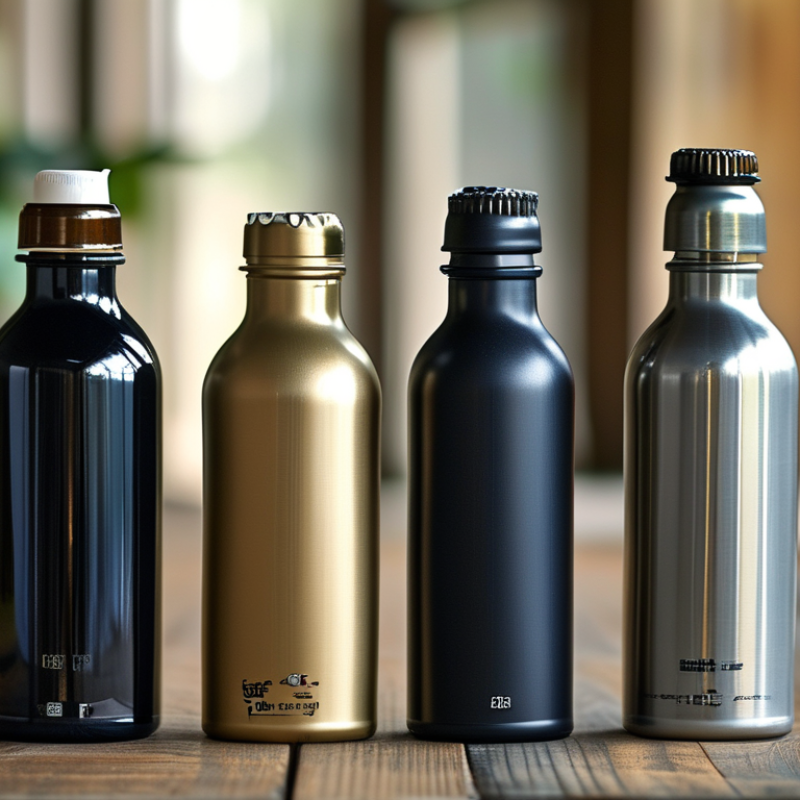
Factors to Consider When Selecting Bottle Lid Types
Selecting the right lid for bottles in 2026 involves various considerations. One key factor is material. Common options are plastic, metal, and silicone. Each material has its benefits and drawbacks. For instance, plastic lids are lightweight, but they may not provide an airtight seal. Metal lids offer durability, yet they can be heavier and prone to corrosion over time.
Another important aspect is usability. Think about how consumers interact with the bottle. Twist-off lids are easy to use, but not everyone prefers them. Some may find flip-top lids more convenient for quick access. Additionally, the size and shape of the opening are crucial. A narrow opening can make pouring difficult, while a wide mouth allows for easier filling.
Aesthetic appeal also plays a role. A well-designed lid can enhance the overall look of the bottle. However, striking a balance between design and functionality is essential. Sometimes, focusing too much on appearance can compromise usability. As you weigh your options, consider testing different designs for real-world feedback. This approach can reveal unexpected challenges or successes.
Popular Bottle Lid Types and Their Functions
When selecting a bottle lid in 2026, understanding the popular types can enhance usability. One common choice is the screw cap. These lids provide a secure seal and are easy to open. They are often used in beverage packaging, such as juices and sodas. Their reliability makes them a go-to option for many manufacturers.
Another popular type is the flip-top lid. These lids are designed for convenience, allowing quick access without removing the entire cap. They are commonly found on sauces and condiments. The drawback? Users may find them less effective in preventing leaks. There’s also the sports cap, which is favored for its one-handed operation. Ideal for fitness enthusiasts, these lids make hydration seamless during workouts.
Some may overlook the significance of a lid's function. Each type serves a unique purpose, catering to specific needs. Choosing a lid based on material can impact sustainability. For instance, aluminum and plastic each have distinct benefits and drawbacks. It’s crucial to reflect on what best aligns with your product goals. Consider these factors carefully to enhance your bottle design.
Assessing Compatibility with Bottle Shapes and Sizes
Choosing the right lid type for bottles in 2026 involves understanding their compatibility with various shapes and sizes. Different bottle shapes can dictate the kind of lid that fits best. For instance, a square bottle may require a unique lid design to ensure a snug fit. Conversely, round bottles often have more standardized lid options.
It’s essential to assess both the functionality and aesthetics of the lid. Some lids provide secure sealing but may lack visual appeal. Others might look great but not keep the contents fresh. Manufacturers should explore innovative designs to bridge these gaps. Testing different combinations can lead to unexpected challenges.
Consider the material of the lid as well. A lightweight lid may seem ideal, but it might not offer the durability needed for certain bottle types. Balancing weight and strength is critical. Users might find that a preferred lid doesn't fit all conditions perfectly. As technology evolves, continuous reflection on compatibility will guide the industry in making informed decisions.
Evaluating Material Options for Durability and Safety
When selecting the right lid type for bottles in 2026, the material plays a critical role. Common options include plastic, glass, and metal. Each has pros and cons regarding durability and safety. For instance, a report from the Plastics Industry Association reveals that nearly 70% of consumers prefer materials that are both safe for food contact and eco-friendly. However, safety concerns must be addressed.
Plastic lids can leach harmful chemicals when exposed to heat. According to studies from the Journal of Food Science, certain plastics, particularly if not BPA-free, can compromise food safety. This risk might sway consumers towards glass or metal, both of which have proven more stable. Glass lids prevent contamination, maintaining purity. Yet, their fragility raises questions about practical use in active environments.
Metal lids, primarily aluminum, offer an excellent compromise. They provide exceptional durability and are often recyclable. However, there is ongoing debate about metal corrosion and its implications for food safety. A detailed study by the National Institute of Health suggests that ensuring linings in metal lids comply with safety standards is essential. As consumer awareness grows, understanding these trade-offs will guide better lid choices for bottles in 2026.
Sustainability Trends in Bottle Lid Design for 2026
In 2026, sustainability is reshaping bottle lid design. According to a recent industry report, over 75% of consumers now prioritize eco-friendly packaging. This trend influences how brands select lid materials. Traditional plastic is under scrutiny. Alternatives like bioplastics and recycled materials are gaining traction. These options not only reduce environmental impact but also meet consumer demand for responsible sourcing.
A study by the Packaging Institute shows that about 60% of beverage companies plan to adopt sustainable lids by 2026. This is remarkable, yet challenges persist. Recycling systems are often inadequate. Many consumers still struggle with proper disposal. Designs must evolve beyond functionality. They need to guide users clearly on recycling practices. Simple, effective visuals can bridge this gap and enhance user experience.
Moreover, the push for innovation in lid design raises questions about cost. Sustainable materials may be more expensive. Companies must weigh these costs against potential market gains. Balancing eco-friendliness, functionality, and affordability remains a tricky endeavor. With ongoing research and development, there is hope for smart solutions that truly benefit the environment.
Conclusion
In "How to Choose the Best Lid Type for Bottles in 2026," the article explores essential factors for selecting the appropriate lid type. Understanding the functionalities of popular bottle lid designs is crucial, as each serves specific purposes that enhance user experience and preservation of contents. Evaluating compatibility with various bottle shapes and sizes ensures that the lid fits securely and maintains its integrity during use.
Moreover, the discussion on material options is vital for durability and safety, highlighting the importance of choosing lids that withstand wear while being safe for consumers. As sustainability trends gain momentum, the article emphasizes the need to consider eco-friendly materials and designs, aligning with environmental responsibility. Ultimately, knowing how to choose the right lid type for bottles involves balancing practicality with innovation, ensuring both function and sustainability for the future.

 Calmora Bottle