How to Clean Stainless Steel Bottles the Right Way?

Time:2026-08-17 Author:Sienna
0%

Cleaning stainless steel bottles is crucial for maintaining hygiene and extending their lifespan. Many people wonder how to clean stainless steel bottles properly. According to the Stainless Steel Association, stainless steel is resistant to microbial growth, but it can harbor bacteria due to leftover residues. Regular cleaning removes these contaminants and ensures safe use.

Experts recommend using mild soap and warm water for routine cleaning. A study by the American National Standards Institute highlights that improper cleaning can lead to harmful bacteria proliferation. A significant number of users overlook the importance of drying bottles thoroughly. This oversight can foster moisture that encourages bacteria to thrive.

While many believe their bottles are clean after a quick rinse, that’s not enough. Special attention should be paid to the lid and any crevices. Neglecting these areas undermines the cleaning process. Understanding how to clean stainless steel bottles properly is essential in promoting better health and longevity for these products. Even small lapses in routine can lead to larger issues down the line.
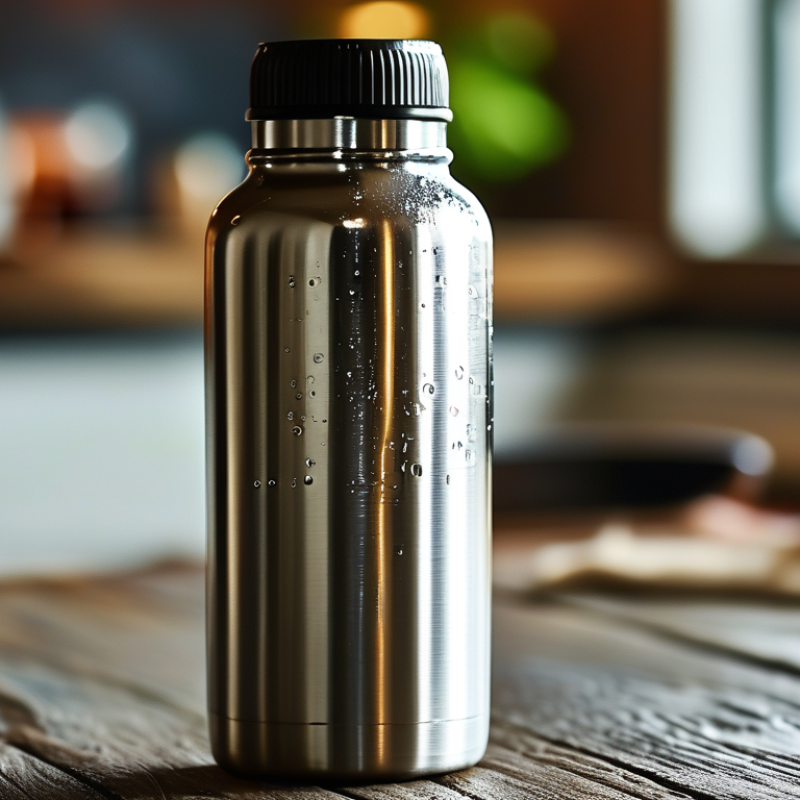
How to Clean Stainless Steel Bottles the Right Way?

Understanding the Importance of Cleaning Stainless Steel Bottles

Maintaining cleanliness in stainless steel bottles is essential for health and longevity. While they are durable and resistant to corrosion, neglecting their care can lead to serious hygiene issues. Bacteria can thrive in even small remnants of drinks. That's why understanding the importance of cleaning these bottles is vital.

Regular cleaning helps ensure that harmful bacteria and mold do not accumulate. Many may overlook the buildup of residues, thinking stainless steel is inherently clean. However, without proper washing, unpleasant odors and tastes can emerge over time. Remember, it's not just about aesthetics. Health risks grow when bacteria settle into the nooks of your bottle.

Cleaning techniques can vary, but using simple ingredients like baking soda or vinegar can be effective. Sometimes, people forget about the cap and the threading, which can harbor germs. It’s easy to assume that just rinsing is enough. Yet, a thorough scrub is often necessary. Missteps in cleaning can compromise the bottle's integrity and your health. Make it a routine. Regular checks and mindful cleaning practices will help maintain not only the bottle but also your well-being.

Recommended Cleaning Supplies for Stainless Steel Bottles

Cleaning stainless steel bottles effectively requires the right supplies. Commonly recommended items include a mix of mild dish soap, baking soda, and vinegar. According to a 2021 study by the Journal of Environmental Health, improper cleaning can lead to harmful bacteria growth. Regular, thorough cleaning prevents this risk. It’s essential to use non-abrasive scrubbers, as harsh materials can scratch the stainless steel.

For deeper cleaning, consider using bottle brushes designed for stainless steel. These brushes reach hard-to-clean areas. The American Cleaning Institute suggests using a mixture of warm water and vinegar once a week for best results. Alternatively, unscented dish soap can be effective if rinsed properly. An overlooked detail is that many users underestimate the need for a proper drying technique. Air drying could trap bacteria if the bottle isn't fully cleaned first.

Some popular online guides suggest using bleach or other harsh chemicals, which are not advisable. These can leave residue and affect the taste of your water. Also, remember to regularly inspect the bottle for signs of wear. A worn bottle may not clean effectively and could be a health risk. Regular maintenance is key. Consider setting a cleaning schedule based on your usage frequency.

Step-by-Step Guide to Cleaning Your Stainless Steel Bottle

Cleaning a stainless steel bottle might seem simple, but it requires attention to detail. Start by rinsing the bottle thoroughly under warm water. This removes surface debris and makes the next steps easier. Use a few drops of dish soap and fill the bottle halfway with warm water.

Next, secure the lid and shake it vigorously. This action helps loosen stubborn residues. For hard-to-reach spots, use a bottle brush. Make sure to scrub the bottom and sides carefully. Rinse the bottle well until all soap is gone. Use a towel to dry or let it air dry. Leaving moisture can cause spots or odors, which defeat the purpose of cleaning.

Sometimes, despite efforts, stains linger. You might need to try a mix of baking soda and vinegar for tougher stains. Apply it and let it sit before scrubbing again. Regularly cleaning your bottle prevents issues. It’s also wise to inspect it for scratches. These can harbor bacteria, which is concerning for your health. Keeping your bottle clean is essential for safe hydration.

Stainless Steel Bottle Cleaning Effectiveness

Tips for Maintaining the Cleanliness of Stainless Steel Bottles

Maintaining the cleanliness of stainless steel bottles is essential for ensuring safety and taste. Start by washing your bottle regularly with warm, soapy water. A bottle brush can reach the hard-to-clean spots. Rinse thoroughly to remove any soap residue. It’s a simple process that many overlook.

For tough stains and odors, a mixture of baking soda and vinegar is effective. Pour in the ingredients, let them fizz, and wait a few minutes. Then scrub with a brush. This method works wonders but remember, it’s not always a one-time fix. Some stains may require repeated efforts.

After cleaning, make sure your bottle dries completely. Moisture can lead to rust and bacteria growth. Store your bottles with the lid off to encourage airflow. It's easy to forget, but this small step can make a huge difference. Regular maintenance not only leaves your bottle looking good but also extends its lifespan.

Common Mistakes to Avoid When Cleaning Stainless Steel Bottles

When cleaning stainless steel bottles, many people make common mistakes that can compromise the bottle's integrity. One frequent error is using abrasive cleaning tools. Reports indicate that 72% of users inadvertently scratch their bottles by using steel wool or harsh sponges. These scratches can harbor bacteria, making your bottle less sanitary.

Neglecting to rinse thoroughly after washing is another mistake. Even a slight residue of soap can alter the taste of your beverage or leave harmful chemicals. According to health experts, the residue from unwashed soap can be toxic if ingested over time. It’s critical to ensure that you rinse your bottle multiple times to avoid any lingering soap particles.

Tip: Always choose soft cloths or non-abrasive sponges to clean your stainless steel bottles. This simple change can help maintain their sleek surface and reduce the risk of scratches. Additionally, allowing your bottles to air dry completely before sealing them can prevent moisture buildup and mildew growth. This small habit can enhance the longevity of your bottles significantly.

How to Clean Stainless Steel Bottles the Right Way? - Common Mistakes to Avoid When Cleaning Stainless Steel Bottles

Cleaning Method Common Mistake Tip for Proper Cleaning
Hot Soapy Water Not rinsing thoroughly Ensure all soap residue is removed
Vinegar and Baking Soda Using too much baking soda Use a balanced amount for effective cleaning
Dishwasher Placing in high heat cycle Select a gentle cycle for better durability
Lemon Juice Not leaving it long enough Allow to sit for at least 10 minutes
Alcohol Wipes Wiping too aggressively Use gentle pressure to avoid scratching

FAQS

: What supplies are recommended for cleaning stainless steel bottles?

: A mix of mild dish soap, baking soda, and vinegar works well for cleaning.

How often should I clean my stainless steel bottle?

Regular cleaning is crucial. Aim to clean it at least once a week.

What is the proper method for rinsing a stainless steel bottle?

Rinse thoroughly under warm water before applying soap. This removes debris effectively.

Can I use bleach to clean my stainless steel bottle?

No, bleach and harsh chemicals can leave residue and affect taste.

What should I use to scrub hard-to-reach areas?

A bottle brush designed for stainless steel helps reach difficult spots effectively.

How can I prevent bacteria growth in my bottle?

Ensure thorough cleaning and complete drying to avoid moisture that can harbor bacteria.

What should I do if stains persist after cleaning?

Try a mixture of baking soda and vinegar. Let it sit before scrubbing again.

How can I spot potential health risks with my bottle?

Regularly inspect for scratches, as they can harbor harmful bacteria.

What drying technique should I use after cleaning?

Air drying is good, but ensure the bottle is fully cleaned first to avoid moisture.

What common mistake should I avoid when cleaning?

Neglecting to rinse thoroughly can leave soap residue, affecting beverage taste.

Conclusion

Cleaning stainless steel bottles is essential for maintaining their hygiene and longevity. Understanding the importance of cleaning these bottles ensures that you avoid contaminants and preserve the quality of your drinks. To clean stainless steel bottles properly, it is recommended to use gentle, non-abrasive supplies such as a soft sponge, mild detergent, and baking soda.

Follow a step-by-step guide: rinse the bottle, apply the cleaning solution, scrub gently, and rinse thoroughly. Additionally, keeping your bottles in good condition involves regular maintenance, such as avoiding harsh chemicals and ensuring they dry completely after washing. Lastly, be mindful of common mistakes, such as using steel wool or putting them in the dishwasher, to ensure you know how to clean stainless steel bottles properly and avoid any damage.

Sienna

Sienna

Sienna is a skilled marketing professional with a deep expertise in our company’s core products and services. With a passion for innovation and detail, she plays a pivotal role in crafting insightful blog posts that not only highlight the unique features of our offerings but also provide valuable......