In today's bustling consumer market, the search for quality tumblers has become more pronounced. A well-designed tumbler can vastly improve daily hydration experiences. Reports from the Beverage Marketing Corporation indicate that over 65% of consumers prioritize materials and functionality when choosing a tumbler. This leads us to ask, "what features should a good tumbler have?"
To ensure reliability and efficiency, a tumbler must boast durability, insulation, and easy-to-clean surfaces. Industry experts note that materials like stainless steel or BPA-free plastics are preferred for their longevity and safety. Moreover, a tumbler's lid design significantly impacts its spill prevention features. However, many options on the market fail to deliver a combination of these crucial attributes.
While functionality is vital, aesthetics and user-friendliness remain essential too. Consumers want tumblers that resonate with their style without compromising on performance. Thus, finding a good tumbler often involves navigating through various brands and choices. With the right knowledge, one can discern which tumblers truly meet the high standards of quality and practicality.
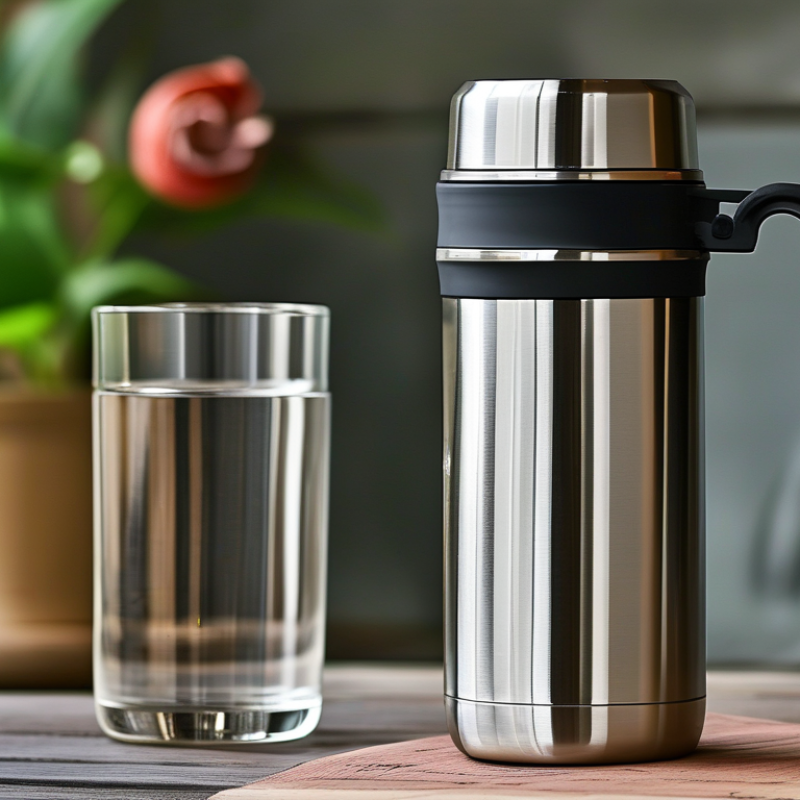
When considering a good tumbler, the material quality plays a crucial role. Stainless steel is an excellent choice due to its durability. It resists rust and corrosion, ensuring longevity. Its ability to maintain temperature is impressive. This means your drinks, hot or cold, stay just the way you like them for hours.
Plastic tumblers are lightweight and versatile. However, they may not insulate as well as metal. Some plastics can warp or degrade with heat. Glass provides a clean taste but lacks durability. It can shatter easily. Finding the right balance between weight and sturdiness is essential. Reflecting on your daily use can guide your choice.
In the world of tumblers, the finish matters. A powder-coated surface adds grip and aesthetic appeal. Smooth finishes, while visually appealing, may be slippery. Check for BPA-free materials in plastic options. Your health matters. Balancing these elements can lead to a satisfying choice tailored to your lifestyle.
When choosing a tumbler, insulation types significantly affect temperature retention. The two most common insulation methods are vacuum insulation and foam insulation. Vacuum insulation creates an airless space between two walls of a tumbler. This method is more efficient at keeping drinks hot or cold for extended periods. According to the Beverage Industry Report, vacuum-insulated tumblers can maintain temperature for up to 12 hours.
Foam insulation, while generally less effective, is still widely used. It lacks the robust temperature retention of vacuum-insulated options. Studies show foam insulated tumblers might keep drinks hot for only four hours. This difference can impact your choice based on how often you need to refill.
Tips: If you often sip warm beverages throughout the day, go for vacuum insulation. Hot coffee stays hot longer, enhancing your experience. Cold beverages also benefit, staying icy without frequent refills.
Consider the materials used in construction. Stainless steel offers durability and better insulation compared to plastic. However, aesthetic and weight factors may make some prefer lighter materials. Reflect on your daily habits—do you need a tumbler that stays cold for hours, or will shorter intervals suffice? Balancing functionality and personal preference is key to a satisfying purchase.
When considering the design elements of a tumbler, ergonomics and usability take center stage. A well-designed tumbler should feel comfortable in your hand. Textured grips can help prevent slipping, especially when you're on the go. The shape of the tumbler is also crucial. A tapered design often fits better in car cup holders, making it easier to transport.
Another important aspect is the lid. A secure, user-friendly lid can prevent spills. Features like a thumb lock or slide mechanism can enhance ease of use. Additionally, the drinking spout has a significant impact on usability. A well-sized spout allows for easy sipping without overwhelming the user.
While aesthetics matter, functionality should never be overlooked. Color and material choices can affect thermal insulation and durability. Yet, some designs may lack the required durability, which can lead to frustration. A good tumbler should balance style and substance seamlessly. By focusing on these design elements, users can find tumblers that truly enhance their daily hydration experience.
Leak-proof features are crucial in choosing a tumbler for everyday use. According to a recent survey by the American Beverage Association, about 75% of consumers prefer tumblers that promise leak-proof technology. This preference is rooted in their need for convenience during daily activities. Imagine carrying your tumbler in a bag filled with essentials, only to find it leaked everywhere. Such an experience can ruin clothes and add unnecessary stress to your day.
The importance of leak-proof technology extends beyond convenience. The International Journal of Consumer Studies emphasizes that leak-proof tumblers can significantly reduce spills. This not only saves time in cleaning but also promotes safe transportation of beverages. A good tumbler should employ silicone seals or locking mechanisms to ensure no liquid escapes. Features like these contribute to a vacuum insulation, maintaining temperature while ensuring reliability.
However, not all "leak-proof" claims are created equal. Some tumblers fail under pressure, leading to complaints from users. It’s essential to look for independent testing and consumer reviews when considering your options. A tumbler might excel in insulation but falter in preventing leaks. Consumers should remain critical and seek transparency about the leak-proof features offered. Ultimately, the right tumbler is one that fulfills both functionality and reliability, ensuring hassle-free hydration on the go.
When choosing a tumbler, eco-friendliness should be a top consideration. Sustainable practices in tumbler production reduce environmental impact. Many modern tumblers are made from recycled materials. This conserves resources and minimizes waste.
Tips: Look for tumblers made from stainless steel or bamboo. These materials are durable and eco-friendly. Avoid those with plastic components whenever possible.
Another important aspect is energy-efficient manufacturing. Factories that prioritize renewable energy sources have a smaller carbon footprint. They often engage in responsible water usage as well.
Tips: Research brands that share their sustainability practices. Transparency is crucial. A responsible tumbler can help you reduce single-use plastic waste.
Choosing a good tumbler requires a balance of sustainability and functionality. While many tumblers claim to be eco-friendly, not all uphold the same standards. Look closely at their production methods and materials. Your choices can lead to a more sustainable future, one tumbler at a time.
| Feature | Description | Sustainability Rating |
|---|---|---|
| Material Quality | Made from BPA-free and recyclable materials | High |
| Insulation | Keeps beverages hot or cold for an extended period | Medium |
| Reusability | Designed for multiple uses to reduce waste | High |
| Design | Ergonomic and aesthetically pleasing | Medium |
| Manufacturing Process | Utilizes eco-friendly methods and low emissions | High |
| Customization Options | Allows for personal designs and logos to promote reuse | Medium |
| Durability | Built to withstand daily use and mishaps | High |
| Easy to Clean | Designed for easy washing by hand or in dishwasher | High |
| Leak-Proof Features | Ensures no spills or mess when on the go | Medium |
| Affordability | Reasonably priced to encourage sustainability | Medium |
: Stainless steel is a great choice due to its durability and temperature retention.
Plastic tumblers are lightweight but may not insulate well and can warp with heat.
Glass provides a clean taste, but it's not as durable and can shatter easily.
Leak-proof technology prevents spills, protecting your belongings and reducing cleanup time.
Features like silicone seals and locking mechanisms are critical for preventing leaks.
No, some tumblers don’t hold up under pressure; it’s important to research claims.
A powder-coated surface adds grip, while smooth finishes may feel slippery.
BPA-free materials ensure health safety when using plastic for beverages.
Reflect on daily use, considering weight, sturdiness, and reliability for hydration.
Some features may be overhyped; always check reviews and independent testing.
When considering what features should a good tumbler have, several essential qualities come to mind. The key material qualities, such as durability and resistance to corrosion, ensure longevity. Additionally, insulation types play a crucial role in temperature retention, with vacuum insulation often being the most effective for keeping beverages hot or cold for extended periods.
Design elements that enhance ergonomics and usability are also vital; a good tumbler should be easy to hold and drink from. Leak-proof features cannot be overlooked, as they are essential for daily use and prevent spills during transportation. Finally, eco-friendliness is increasingly important, with sustainable practices in tumbler production that cater to environmentally-conscious consumers. Overall, these features collectively contribute to a tumbler's functionality and appeal.

Calmora Bottle