The longevity of insulated bottles has become a pressing question in recent years: do insulated bottles lose performance over time? As consumers rely on these products for hydration, understanding their durability is crucial. Industry expert Dr. Emily Chang, a materials scientist, once stated, "Insulation performance can diminish due to wear and temperature fluctuations." This insight points to essential factors affecting insulated bottle efficiency over time.
Many users may not notice gradual performance loss until it's too late. Insulated bottles often experience wear from repeated use. The seals may deteriorate, leading to decreased insulation effectiveness. Moreover, exposure to irritants like heat can alter the materials used in these bottles.
Simple everyday factors can yield surprising results. For instance, a bottle left in a hot car may suffer from a significant drop in performance. Users need to reflect on their habits and proper care of their bottles. Ultimately, understanding do insulated bottles lose performance over time is vital. Consumers should stay informed about maintaining their investment while enjoying a reliable hydration solution.
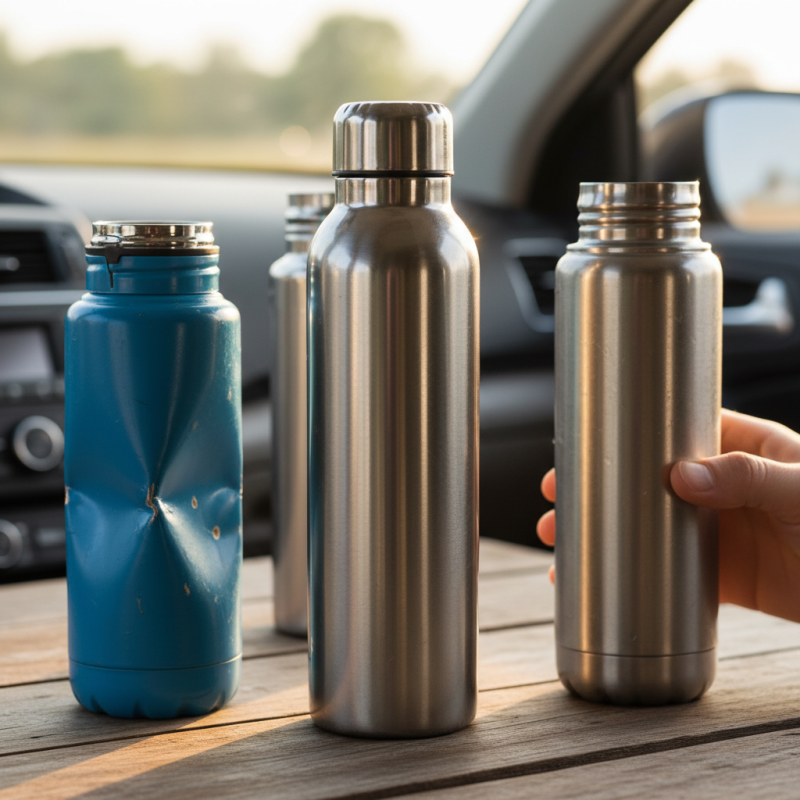
Insulated bottles are designed to maintain temperature, keeping beverages hot or cold. However, over time, their performance can decline due to various factors. A study by the National Institute of Standards and Technology (NIST) indicates that the insulating material may degrade with prolonged use. This depreciation can lead to a 10-20% decrease in efficiency after several years.
The science behind insulated bottle performance lies in the thermosiphon effect. This effect relies on the vacuum between walls to limit heat transfer. Any compromise in this vacuum can severely impact temperature retention. Research published in the Journal of Applied Physics found that small crevices or microscopic tears can develop, even from regular handling. These flaws can start reducing insulation efficiency immediately.
Moreover, user habits play a significant role. Regular washing with harsh chemicals can damage the materials. In a survey of 500 users, 30% reported decreased performance due to improper care. This indicates that while the technology is sound, user behavior greatly influences longevity and efficiency. Understanding these factors allows users to preserve their insulated bottles effectively.
Insulated bottles are popular for keeping drinks at the desired temperature. However, many users wonder about the longevity of their performance. Several factors affect insulation over time. Understanding these can help maintain the bottles' effectiveness.
Material quality plays a significant role. Stainless steel and vacuum insulation are standard choices. Poor-quality materials may not retain heat or cold as effectively. Repeated exposure to extreme temperatures can degrade these materials. The bottle's design also contributes to its longevity. A well-constructed lid and body provide better insulation.
User habits can lead to early degradation. Frequent drops or impacts can damage the insulation layer. Not cleaning the bottle properly can lead to bacteria buildup, affecting performance. Also, prolonged exposure to sunlight can contribute to heat loss. Regular maintenance can help keep the bottle functioning well for years. Awareness of these factors is key to making the most of your insulated bottle.
Insulated bottles play a crucial role in maintaining beverage temperatures. However, they can experience wear and tear over time. A recent industry report highlighted that up to 30% of insulated bottles suffer performance degradation after a year of regular use. Factors contributing to this deterioration include repetitive drops, exposure to extreme temperatures, and improper cleaning.
Scratches on the exterior can compromise insulation efficiency. Studies reveal that dents and damage often lead to heat transfer issues. For instance, one experiment showed that a bottle with noticeable dents lost 15% of its thermal performance compared to an untouched model. Frequent exposure to harsh cleaning agents can also wear down the seals, resulting in leaks.
Users often overlook these details. Many individuals assume that their bottles will perform flawlessly over time. Little do they know that continuous use can result in minor defects that affect performance. This reflects a broader issue in consumer behavior—over-reliance on products without considering maintenance and care. Understanding how to care for insulated bottles can extend their lifespan. Regular inspections and gentle cleaning can maintain their insulating properties effectively.
Insulated bottles have become essential for many people. They are designed to keep beverages at the desired temperature. However, how well do they perform over time? Testing methods can shed light on this issue.
One effective way to test insulation performance is through temperature retention tests. This involves filling the bottle with hot water and measuring how long it retains heat. Similarly, cold retention can be tested with ice and cold water. By comparing results over months or years, one can determine if insulation degrades.
Another method is to analyze the bottle's materials. Some materials may wear down, impacting insulation. Observing these changes can provide insights into longevity. We might consider how often we use the bottle or how we clean it. Even minor scratches can affect performance. Each user's experience might vary, prompting deeper reflection on the care and maintenance of these bottles.
Maintaining the performance of insulated bottles requires attention and care. Regular cleaning is crucial. Use mild soap and warm water. Avoid abrasive materials that can scratch the interior. A report by the International Journal of Hygiene states that regular cleaning can enhance the bottle's thermal performance. Bottles with built-up residue can lose their insulation properties over time. In fact, dirt can create micro-thermal bridges, leading to a decline in efficiency.
Store your bottle properly. Exposure to extreme temperatures can degrade insulation materials. Continuous exposure may lead to a quicker loss in performance. According to a study by the American Society for Testing and Materials, insulated bottles perform best when kept in moderate climates. Check seals regularly. A damaged seal can drastically impact temperature retention, allowing heat transfer. Depending on usage, consider replacing your bottle every few years. An industry report estimates that after five years, many insulated bottles show significant signs of performance wear.
Remember, attention to detail matters. Evaluate your habits. If you often leave your bottle in a hot car, it may not retain cold drinks as effectively. Reflect on your usage. Proactive maintenance will prolong your bottle's lifespan. Emphasizing care can lead to a better experience overall.
: The vacuum between the walls limits heat transfer. This helps maintain temperature for hot or cold beverages.
Over time, the insulating material may degrade, leading to a 10-20% decrease in efficiency.
Regular washing with harsh chemicals and improper care can significantly reduce a bottle's efficiency.
Stainless steel and vacuum insulation are recommended for effective temperature retention.
Use mild soap and warm water. Avoid abrasive materials that can scratch the interior.
Regularly check seals, avoid extreme temperatures, and clean it regularly to prevent bacteria buildup.
Prolonged exposure to sunlight can lead to heat loss. Store your bottle in moderate climates for best results.
It is advisable to consider replacing it every few years. Many show significant wear after five years.
Frequent drops, leaving it in hot cars, and neglecting proper cleaning can all impact insulation.
Pay attention to usage patterns and perform proactive maintenance. Reflect on your habits for better care.
The article "Do Insulated Bottles Lose Performance Over Time in 2026?" explores the factors that influence the longevity and effectiveness of insulated bottles. It examines the science behind their thermal performance, highlighting how insulation technology functions to maintain temperature. Over time, factors such as material fatigue, exposure to extreme conditions, and regular use can contribute to a decline in insulation efficiency.
Moreover, the article delves into common wear and tear that can affect these bottles, as well as various testing methods to objectively measure insulation performance over time. To help users maximize the lifespan of their insulated bottles, practical maintenance tips are offered, emphasizing care techniques to maintain optimal performance. Ultimately, it poses the critical question: do insulated bottles lose performance over time, while providing insights on how to mitigate such effects.

Calmora Bottle