What Makes a Bottle Leakproof and How to Choose the Best?

Time:2026-05-28 Author:Isabella
0%

When searching for the perfect bottle, understanding what makes a bottle leakproof is crucial. According to Dr. Linda Green, a leading expert in product design, “A leakproof bottle combines the right materials and engineering.” This statement highlights that not all bottles are created equal. Various factors influence a bottle's ability to prevent leaks, including the design of the lid, the type of seal used, and the materials involved.

A well-designed bottle often features a sturdy silicone gasket, ensuring a tight fit. However, even the best designs can fail if not used correctly. Users may overlook simple steps, like ensuring the lid is tightened appropriately. The choice of material also plays a significant role. BPA-free plastics and stainless steel are popular, but they must be crafted skillfully to ensure leakproof performance.

As you explore your options, remember that not every product marketed as leakproof guarantees absolute protection. Consumer reviews often reveal personal experiences that may contradict a bottle's advertised features. Understanding what makes a bottle leakproof can guide your choice and lead to a more satisfying experience.
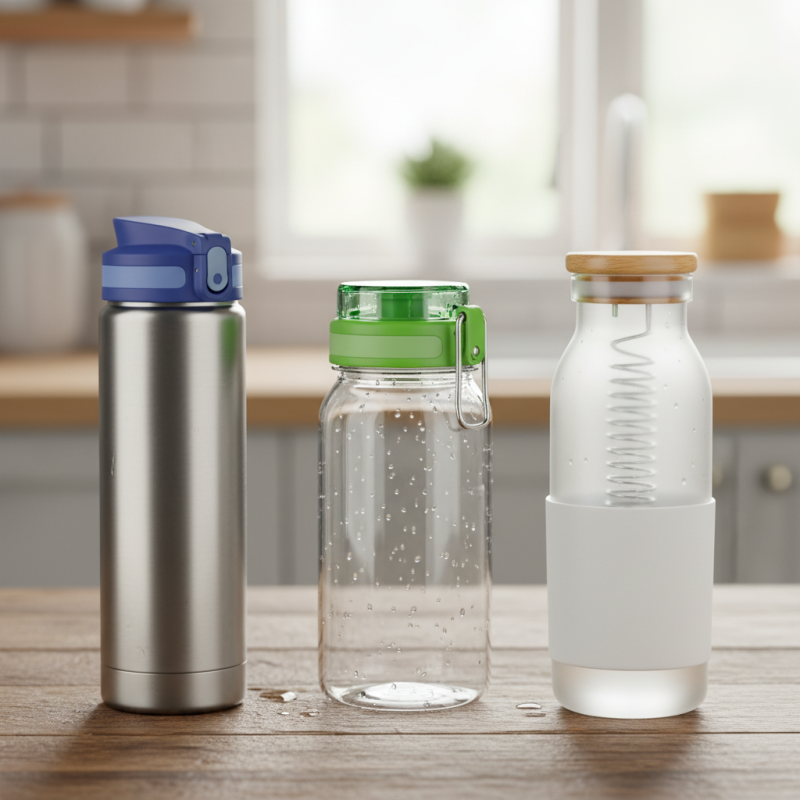
What Makes a Bottle Leakproof and How to Choose the Best?

Factors Affecting Leakproof Design in Bottles

When selecting a leakproof bottle, several design factors are crucial. The material used can significantly impact how effectively a bottle prevents leaks. High-quality plastics, stainless steel, and silicone are common materials. According to a recent industry report by the International Bottled Water Association, around 70% of consumers prefer bottles made from BPA-free plastics for safety reasons.

The closure mechanism is another vital element. Screw tops, snap lids, and flip caps are popular options. A study by the Food and Beverage Packaging Association reveals that 30% of consumers experience bottle leaks due to inadequate seals. Paying attention to the type of seal and the threading on screw caps can make a significant difference in preventing leaks.

Tip: Always test the bottle before use to ensure it remains leakproof. Fill it with water and turn it upside down. Look for any signs of leaking.

In addition, the bottle's design includes features like a wide mouth for easy filling and cleaning. Some bottles also have built-in straws, which can be more leakproof than traditional openings. Checking user reviews can provide insights into real-world leakproof performance.

Tip: Consider user feedback when making a purchase. Reviews often highlight common issues that official specs do not cover. Staying informed helps ensure you choose a bottle that meets your needs.

What Makes a Bottle Leakproof and How to Choose the Best? - Factors Affecting Leakproof Design in Bottles

Factor Description Importance Level
Material The type of material affects durability and flexibility, impacting leak resistance. High
Seal Type Different seal designs (screw caps, flip tops) can enhance leak prevention. Very High
Cap Fit A snug cap fit ensures that liquids cannot escape past the threading. High
Pressure Management Design that accommodates internal pressure changes can reduce leaks. Medium
Design Quality High-quality design focuses on preventing leaks at vulnerable areas. Very High
User Testing Products tested in real conditions tend to be more leakproof. High
Maintenance Instructions Clear instructions on care can prolong leakproof performance. Medium

Material Selection for Effective Seal and Durability

When choosing a leakproof bottle, material selection plays a crucial role in ensuring an effective seal and long-term durability. Many bottles are made from materials such as stainless steel, aluminum, and various plastics. Stainless steel, for instance, is known for its strength and resistance to rust. According to industry reports, over 60% of consumers prefer stainless steel bottles for their durability and insulation capabilities. This material also provides a robust barrier against leaks when correctly manufactured.

Plastics, on the other hand, can be a mixed bag. BPA-free options are often recommended, but they may not always provide the same sealing effectiveness as metals. A study indicated that certain plastic types experience wear over time, which affects their capacity to stay leakproof. Some users report that after several months of use, seals in plastic bottles can degrade, leading to leaks. It highlights the importance of choosing bottles with high-quality seals, regardless of the material.

Despite advances in design and manufacturing, achieving a completely leakproof bottle is challenging. Factors like temperature changes and rough handling can compromise seals. While some manufacturers stress the reliability of their products, consumers should be aware of potential limitations. This consideration is crucial when selecting a bottle. Features, such as a rotating cap, can enhance leak resistance but may require extra attention during cleaning. Understanding these details aids in making informed choices for daily hydration needs.

Understanding Bottle Caps and Their Impact on Leak Prevention

When considering bottle caps for leak prevention, it's essential to understand their designs. A tightly sealed cap can minimize leaks, but not all caps are created equal. According to research from the Packaging Machinery Manufacturers Institute, nearly 30% of liquid contamination incidents result from poorly designed caps. A cap that fits well can create a barrier against spills while maintaining the container's integrity.

Different materials also play a role. Plastic caps are lighter but may not provide the same level of sealing as metal ones. A study by the Beverage Marketing Corporation highlights that metal caps reduce leakage issues by 12% compared to their plastic counterparts. Choosing the right material can make a real difference.

Tips for selection: Look for bottles with a silicone or rubber seal inside the cap. This feature helps create tighter closures. Perform a simple test by tipping the bottle after closing it. If it leaks, explore other options. Ensure the threading on the bottle neck matches the cap design; mismatched threads can lead to spills. Remember, the right cap offers not only functionality but also peace of mind.

Popular Leakproof Bottle Technologies and Mechanisms

When selecting a leakproof bottle, understanding the technologies behind it is essential. One popular mechanism is the silicone seal. This flexible material creates a tight barrier that prevents spills. Its adaptability allows it to fit various cap designs, ensuring an airtight closure. Many users appreciate its effectiveness but might struggle with cleanliness, as food residues can accumulate in the grooves.


Another common technology involves pressure-release valves. These valves allow for the expansion of air when liquid is added, preventing leakage during movement. However, users may find they need to relearn their pouring technique to avoid unexpected splashes.


It can take time to see how the valve interacts with different types of liquid. Lastly, many bottles use a combination of threaded caps and locking systems. These designs can provide added security. Still, some bottles may be tricky to open, especially for those with weaker grip strength.


Identifying the right balance between ease of access and leak prevention is crucial for many.

Tips for Choosing the Best Leakproof Bottle for Your Needs

When selecting a leakproof bottle, several factors come into play. Material is crucial. Stainless steel and BPA-free plastic are popular options. According to a 2022 study by the Beverage Container Recycling Institute, about 60% of users prefer stainless steel due to its durability and insulation properties. Users should consider the sealing mechanism as well. Bottles with advanced silicone seals tend to minimize leakage risks significantly compared to traditional screw caps.

Additionally, size and portability matter. Smaller bottles are often more convenient for daily use, especially for commuters. Research shows that 70% of consumers gravitate towards 16-20 oz sizes for everyday activities. Reflecting on your lifestyle can help. A user who frequents the gym may need a different design than one who travels often. Opt for features like easy-carry handles or clip-on options for added convenience.

Lastly, pay attention to user reviews and expert recommendations. Not all bottles perform as advertised. Some may leak despite being labeled as leakproof. Reading detailed reviews can reveal patterns in product performance that may not be apparent at first glance. Users should trust their instincts and choose based on their experiences, while also critically assessing advertised claims.

Comparison of Leakproof Bottles Based on Key Features

This chart displays the leakproof ratings of various bottle features. A higher score indicates better leakproof performance, highlighting the importance of material quality, seal design, cap type, consumer reviews, and price in choosing the best leakproof bottle.

FAQS

: What materials are best for leakproof bottles?

: High-quality plastics, stainless steel, and silicone are preferred. Many consumers favor BPA-free plastics for safety.

What is the importance of the closure mechanism?

Closure types like screw tops and snap lids are crucial. A good seal prevents leaks effectively.

How can I test if a bottle is leakproof?

Fill the bottle with water and turn it upside down. Check for any signs of leaking.

What features should I look for in a bottle design?

A wide mouth aids in filling and cleaning. Built-in straws may be more leakproof than standard openings.

How do cap designs affect leak prevention?

Caps must fit tightly to minimize leaks. Not all caps are designed the same way, affecting sealing quality.

Which type of cap material is better for preventing leaks?

Metal caps are often more effective than plastic, reducing leakage issues by about 12%.

How can I enhance the sealing of a bottle cap?

Choose bottles with silicone or rubber seals. These features help create tighter closures.

What might cause a bottle to leak after closing?

Mismatched threads between the bottle neck and cap can lead to spills.

Why are user reviews important when selecting a bottle?

Reviews highlight real-world issues not covered by specifications. They help in choosing reliable bottles.

What is one common mistake people make with bottle selection?

Many overlook testing the leakproof feature before using the bottle for the first time.

Conclusion

When exploring what makes a bottle leakproof, several key factors come into play. The design of the bottle significantly impacts its ability to prevent leaks, with considerations such as the shape and sealing mechanisms being crucial. Material selection is also vital; durable materials can enhance the effectiveness of seals and ensure long-lasting performance. Furthermore, the type of bottle cap plays a critical role in preventing leaks, as different designs can provide varying levels of protection.

Various leakproof bottle technologies incorporate advanced mechanisms that further bolster their reliability. When choosing the best leakproof bottle for your needs, it's essential to consider these factors, along with your specific use case, to ensure you select a bottle that meets your requirements and maintains its leakproof integrity over time. By understanding these elements, consumers can make informed decisions and enjoy peace of mind in their hydration choices.

Isabella

Isabella

Isabella is a dedicated marketing professional with a sharp focus on driving brand growth and engagement through strategic content creation. With an extensive background in digital marketing, she combines her passion for storytelling with her keen understanding of industry trends to deliver......