Top 10 Ways to Reduce Plastic Waste with Reusable Bottles?

Time:2026-07-01 Author:Henry
0%

As plastic pollution continues to ravage our environment, finding effective methods to combat it becomes crucial. One expert in sustainability, Dr. Emily Carter, states, “Every reusable bottle counts. Each time we choose reusable over single-use, we make a difference.” This sentiment emphasizes the importance of our everyday choices. Understanding how to reduce plastic waste with reusable bottles is a vital step toward a cleaner planet.

Using a reusable bottle not only cuts down on single-use plastics but also encourages a more sustainable lifestyle. However, many individuals struggle with making the shift. Simple habits, such as carrying a bottle everywhere, can easily be overlooked. It requires dedication and a commitment to change.

Additionally, the impact of reusable bottles extends beyond just personal use. Educating friends and family can amplify this effort. Encouraging local businesses to promote reusable options is another step to collective action. The journey to reducing plastic waste is often imperfect and requires ongoing reflection. Adopting these small yet impactful habits can create a significant ripple effect in the community and beyond.
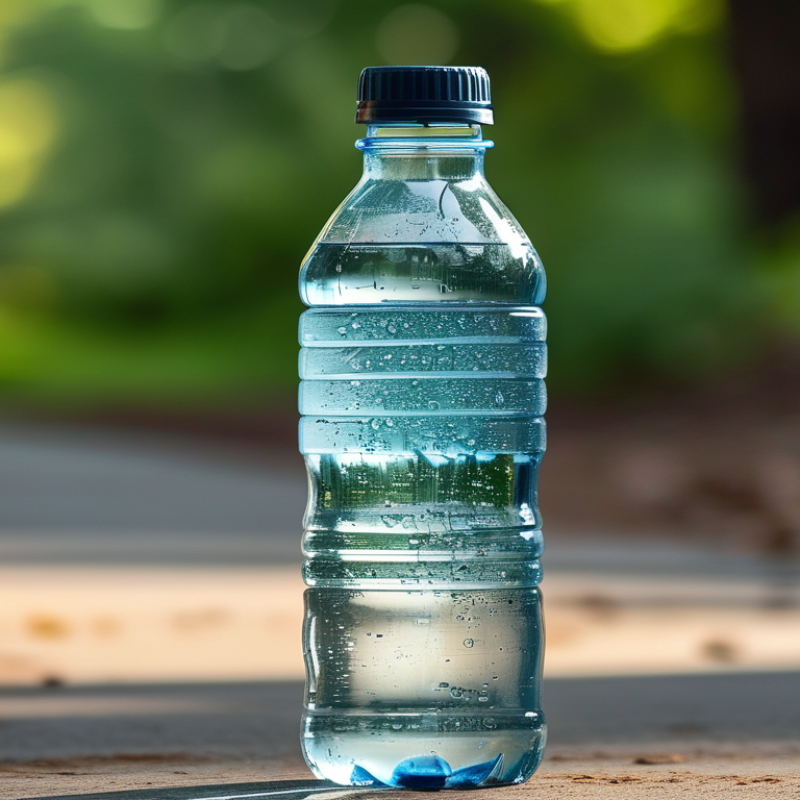
Top 10 Ways to Reduce Plastic Waste with Reusable Bottles?

Understanding the Impact of Plastic Waste on the Environment

Plastic waste is a pressing environmental issue. Every year, millions of tons of plastic end up in our oceans and landfills. Marine life suffers greatly from this pollution. Turtles mistake plastic bags for jellyfish. Birds often ingest small plastic particles. These behaviors lead to injury and death for countless creatures.

Reducing plastic waste is crucial. Using reusable bottles is one effective change. Each bottle can replace hundreds of single-use plastics. However, not everyone utilizes them consistently. The habit of forgetting a reusable bottle is common. We need to address this issue and encourage more people to adopt better practices. Public awareness campaigns can help. Sharing stories about the impacts of plastic waste can resonate deeply.

Plastic pollution also contributes to climate change. The production of plastic releases greenhouse gases. This creates a cycle of environmental harm. It’s important to rethink our daily choices. A simple step like carrying a reusable bottle can lead to a larger impact. Yet, change doesn’t happen overnight. It requires a collective effort and ongoing commitment. Let's reflect on our habits and strive for improvement.

Benefits of Using Reusable Bottles Over Single-Use Plastic

Using reusable bottles can significantly reduce plastic waste. Single-use plastic bottles are a major contributor to environmental pollution. Every year, millions of these bottles end up in landfills and oceans. In contrast, reusable bottles promote sustainability. They are designed to last for years, minimizing the need for constant replacement. You can fill them with water and take them anywhere.

Beyond environmental benefits, reusable bottles also save money in the long run. Investing in a durable bottle means fewer trips to the store for replacements. Many reusable bottles also have improved insulation. They keep drinks hot or cold for longer periods. This feature is especially appealing for people who love coffee or iced drinks.

However, choosing a reusable bottle requires careful consideration. Not all materials are equally effective or safe. Some bottles might leach chemicals over time. It's essential to select one made from high-quality, BPA-free materials. Reflecting on these aspects can guide consumers toward making better choices. As we make daily decisions about plastic use, small changes can lead to a significant positive impact on our planet.

Choosing the Right Type of Reusable Bottle for Your Needs

Choosing the right type of reusable bottle can significantly impact your efforts to reduce plastic waste. The market offers a variety of bottles made from materials like stainless steel, glass, and BPA-free plastic. Research indicates that stainless steel bottles can last for decades. They don’t leach chemicals and keep drinks at the desired temperature. Yet, they can be heavier, which may not appeal to everyone.

Glass bottles are another popular option. They are often considered the safest choice. However, they are prone to breakage, especially during outdoor activities. A 2021 environmental report revealed that glass recycling rates are still low. Many consumer habits need changing to improve this situation. Then there’s BPA-free plastic. While lighter and less fragile, they can still contribute to microplastic pollution if not disposed of properly. Each option has pros and cons. It's essential to evaluate your lifestyle and specific needs.

When choosing a bottle, consider factors like insulation, size, and portability. Some individuals need a bottle for hiking, while others want one for the gym. A bottle’s design can also influence your usage. A sturdy, attractive bottle can encourage regular use, reducing the impulse to buy single-use plastic bottles. In the end, making informed decisions can lead to a more sustainable future.

Top 10 Ways to Reduce Plastic Waste with Reusable Bottles

# Reusable Bottle Type Material Capacity (L) Sustainability Rating Average Price ($)
1 Stainless Steel Bottle Stainless Steel 0.5 High 25
2 Glass Bottle Glass 0.75 High 20
3 Bamboo Bottle Bamboo + Stainless Steel 0.6 Medium 30
4 Collapsible Bottle Silicone 0.5 Medium 15
5 Plastic-Free Bottle Biodegradable Plastic 1.0 High 18
6 Insulated Bottle Stainless Steel 0.75 High 35
7 Kids' Bottle BPA-Free Plastic 0.4 Medium 12
8 Sports Bottle Plastic + Rubber 0.75 Medium 25
9 Travel Bottle Aluminum 1.0 High 40
10 Eco-Friendly Bottle Recycled Plastic 0.5 High 15

Practical Tips for Incorporating Reusable Bottles into Daily Life

Incorporating reusable bottles into daily life can significantly cut down plastic waste. One practical tip is to always keep a bottle handy. This makes it easier to choose water over sugary drinks. Having a water bottle on your desk can remind you to stay hydrated. It also encourages friends or colleagues to make similar choices.

Another effective approach is to personalize your bottle. Adding stickers or designs can make it more appealing. A unique bottle can inspire you to carry it everywhere. You can even set reminders on your phone to refill it. This small change can lead to a big reduction in single-use plastic.

Consider various settings where you can use your bottle. Bring it to the gym, office, or during errands. Remember, it’s okay to forget sometimes. We all slip up. Just focus on making gradual changes. Each refill counts in the fight against plastic waste. Mixing practicality with mindfulness can make a substantial difference.

Encouraging Others to Reduce Plastic Waste with Reusable Bottles

Encouraging others to embrace reusable bottles can have a profound impact on reducing plastic waste. Around 1 million plastic bottles are purchased every minute worldwide. This staggering statistic highlights the urgent need for change. By sharing the benefits of reusable bottles, we can inspire action within our communities. Each reusable bottle can save hundreds of single-use bottles annually.

Promoting the use of reusable bottles encourages conversations about sustainability. Host events or workshops demonstrating their benefits. Share statistics, like the fact that switching to reusable options can reduce plastic waste by 60 percent. People often don't realize the long-term environmental impact of small daily choices. When those choices accumulate, the results can be remarkable.

Visualize the difference: one reusable bottle replaces approximately 167 single-use bottles per year. This fact alone can motivate individuals. Sharing experiences, like how switching has simplified hydration routines, can also resonate. However, not everyone may make the switch immediately. Acknowledging and respecting their hesitation is crucial. Change takes time, but together, we can cultivate a culture of sustainability and reduce our reliance on single-use plastics.

FAQS

: What is the main issue with plastic waste?

: Plastic waste significantly harms the environment. Millions of tons of plastic pollute oceans and landfills annually.

How does plastic waste affect marine life?

Marine creatures mistake plastic for food. Turtles eat plastic bags, while birds ingest small plastic particles.

What is one easy way to reduce plastic waste?

Using reusable bottles helps decrease reliance on single-use plastics. Each bottle can replace hundreds of them.

Why do people forget to use reusable bottles?

It's a common habit to forget them. Many people need reminders or incentives to carry them consistently.

How does plastic pollution contribute to climate change?

Plastic production emits greenhouse gases. This exacerbates environmental issues. Our daily choices matter in this context.

What should I consider when choosing a reusable bottle?

Evaluate material, insulation, size, and portability. These factors influence your lifestyle and how often you use the bottle.

Are there risks with glass bottles?

Yes, glass bottles can break easily. This is especially a concern during outdoor activities.

What are the downsides of BPA-free plastic bottles?

While lighter, they may contribute to microplastic pollution if not disposed of correctly. Proper disposal is crucial.

How can design impact reusable bottle usage?

A sturdy, attractive bottle can motivate regular use. This reduces the temptation to buy single-use options.

What is the importance of public awareness about plastic waste?

Sharing stories about the impacts resonates deeply. It can inspire more people to adopt sustainable practices and reduce waste.

Conclusion

In the quest to understand how to reduce plastic waste with reusable bottles, it is essential to recognize the significant impact of plastic pollution on our environment. Reusable bottles offer numerous benefits over single-use plastics, including decreasing the amount of waste in landfills and reducing the carbon footprint associated with production and disposal. By choosing the right type of reusable bottle that suits individual needs—be it stainless steel, glass, or BPA-free options—consumers can make a positive contribution towards sustainability.

Incorporating reusable bottles into daily life can be made practical by establishing habits like carrying a bottle wherever you go and refilling it when needed. Additionally, encouraging friends and family to adopt this eco-friendly practice can amplify the impact, creating a collective movement towards reducing plastic waste. By sharing knowledge and resources, everyone can play a part in this crucial environmental initiative.

Henry

Henry

Henry is a dedicated marketing professional with a profound expertise in the company's offerings. With years of experience in the industry, he possesses an impressive understanding of the market dynamics and consumer behaviors that drive success. Henry is committed to sharing his insights through......