High-performance technical specifications engineered for commercial distributors and global brands.
Analysis of international market dynamics, supply chain hubs, and structural distribution vectors.
The global market for vacuum-insulated drinkware has transitioned from a niche outdoor segment into a massive multi-billion-dollar consumer lifestyle and industrial necessity. Fueled by rising consumer consciousness regarding environmental sustainability and the rapid abandonment of single-use plastics, the demand for premium double-wall vacuum insulated flasks has skyrocketed. In 2023, the global insulated market valuation surpassed USD 5.3 Billion, with a projected compound annual growth rate (CAGR) of 6.2% through 2030.
Currently, the market is structurally anchored by manufacturing hubs in East Asia—predominantly within China's industrial zones such as Foshan, Yongkang, and Chaozhou—which supply over 85% of the world's commercial thermal flasks. Brands in North America and Western Europe account for the highest consumption rates, requiring manufacturers to strictly comply with international safety certifications and testing standards such as ISO 9001, FDA, LFGB, and RoHS.
Global logistics demand highly durable, food-grade materials (primarily SUS 304 and SUS 316) that can withstand long ocean shipments without degradation or vacuum failure.
Exporting to European and American markets requires rigorous compliance with LFGB (Germany) and FDA (USA) chemical migration limits to ensure total food-contact safety.
Top-tier exporters utilize automated vacuum brazing and inline quality checks to guarantee short lead times, maintaining competitive edges during peak quarters.
An engineering deep-dive into how modern thermal performance is achieved on a manufacturing scale.
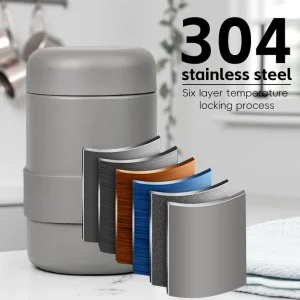
The core mechanism of an insulated flask is the creation of a physical vacuum between two metallic walls, preventing heat transfer via conduction and convection. To stop radiation heat loss, premium manufacturers apply a microscopic copper plating layer to the exterior surface of the inner stainless steel wall. This reflects thermal radiation back inside, maximizing heat retention.
Advanced vacuum fabrication requires tail-less brazing machines operating under temperatures exceeding 1000°C in high-vacuum ovens. By extracting air to a pressure level of 10-3 Pa, thermal conduction becomes virtually impossible. Modern technical roadmaps focus on reducing the wall gap from the traditional 3.0mm down to 1.2mm, allowing for larger capacity and lighter weights without compromising the structural integrity or insulating efficiency.
"True double-wall insulation requires a rigorous outgassing process under precise thermal controls. The slight difference between standard flasks and high-end laboratory vacuum ware lies in the quality of the vacuum extraction and getter material placement."
A premier Chinese manufacturing and export case study demonstrating robust industrial capacity and supply chain scaling.
Foshan Calmora Bottle Co., Ltd. is a professional manufacturer specializing in water bottles, tumblers, vacuum flasks, and food jars, offering comprehensive custom drinkware solutions for global markets. Located in Foshan, a major manufacturing hub in China, the company combines advanced production capabilities with efficient supply chain management to deliver high-quality and competitively priced products.
Founded in 2012, Calmora began as a small-scale producer of stainless steel bottles for domestic clients. By 2016, the company expanded its operations with automated production lines for double-wall vacuum insulation technology, entering overseas markets across North America and Europe. In 2020, Calmora further upgraded its R&D and design capabilities, enabling full OEM and ODM services, including custom branding, color finishing, and packaging solutions tailored to diverse customer needs.
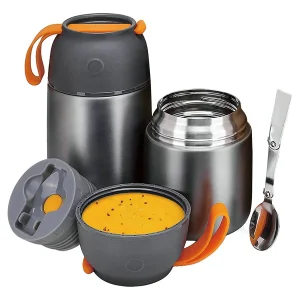
The company’s product range includes insulated water bottles, travel tumblers, thermal vacuum flasks, and food jars designed for both everyday use and outdoor applications. With a strong focus on durability, safety, and performance, all products are manufactured using food-grade materials and strict quality control processes. Foshan Calmora Bottle Co., Ltd. is certified with ISO 9001 quality management system and complies with international standards such as FDA and LFGB. Committed to innovation and sustainability, Calmora continues to provide reliable, eco-friendly drinkware solutions worldwide.
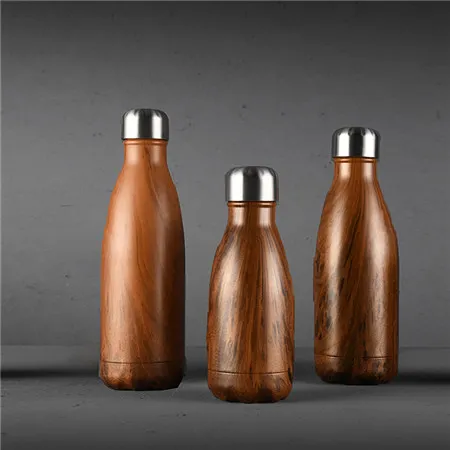
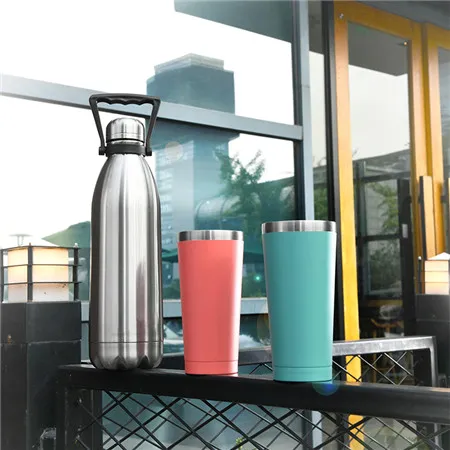
Aligning manufacturing outputs with specific environmental demographics and supply chain metrics.
Requires lightweight, impact-resistant structures featuring wide mouths for ice insertion, paracord attachments, and powder-coated surfaces that provide high grip and anti-condensation protection under high humidity levels.
Demands aesthetic versatility, customized laser engraving, Pantone color-matching, and retail-grade packaging. Exporters must offer rapid digital proofing and modular packaging options to minimize custom duty delays.
Demands clinical purity, wear-resistant coatings (such as the Jyz-Wj60 series), chemical resistance to organic solvents, and certified temperature curves capable of maintaining cryogenic or cryogenic-adjacent states.
A significant trend in modern supply chain management is the reduction of corporate scope-3 emissions. Top-tier manufacturers are actively transitioning toward recycled stainless steel (GRS certified), reducing raw material energy intensive mining extraction. Concurrently, packaging designs have moved from single-use plastic bags and colored gift boxes towards biodegradable FSC-certified cardboard packaging. Importers focusing on ESG metrics can gain a substantial edge by validating these green footprints at the factory-audit level.
Answers to critical technical and logistical questions asked by global sourcing agents and procurement managers.
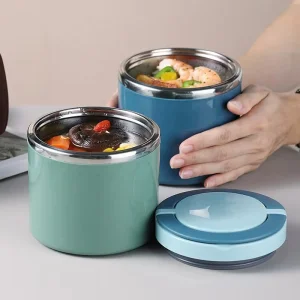
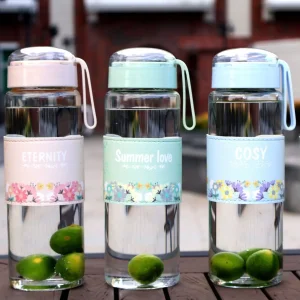
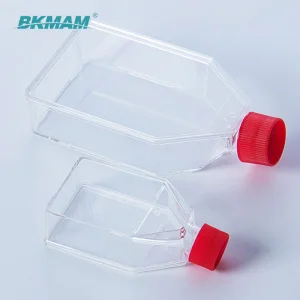
Explore our specialized catalog covering collapsible silicone, high-capacity vacuum flasks, and biological laboratory solutions.
 Calmora Bottle