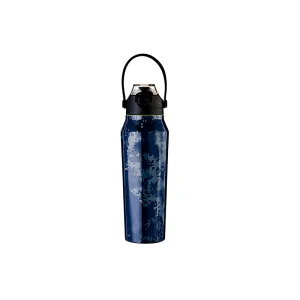
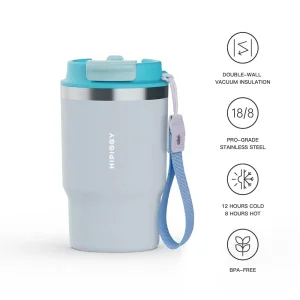
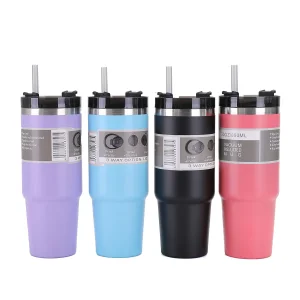
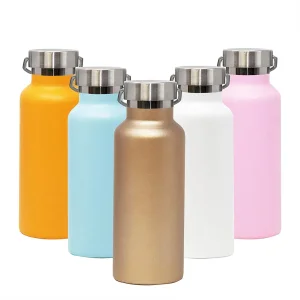
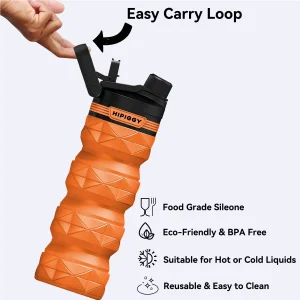
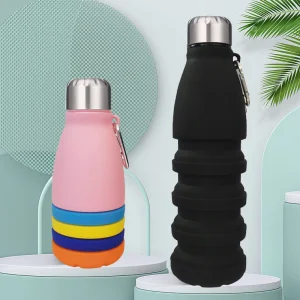
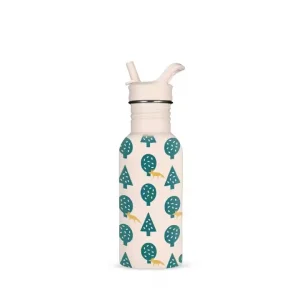
Discover our flagship catalog ranging from smart vacuum flasks to collapsible tactical hydration solutions.
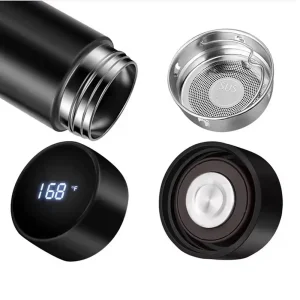

The global portable hydration market is experiencing a profound paradigm shift. Rigid plastic and heavy stainless steel bottles, while durable, present logistical inefficiencies and payload challenges for defense forces, endurance athletes, outdoor enthusiasts, and eco-conscious consumer brands. The emergence of CE certified collapsible flasks has redefined portable liquid storage, combining high material resilience with space-saving properties.
For B2B procurement professionals, supply chain managers, and outdoor brands, importing flexible drinking flasks requires balancing physical material metrics with global regulatory compliances. In markets like Europe and North America, strict oversight by agencies governing food contact materials (FCM) means selecting an exporter with validated certifications (such as CE, LFGB, and FDA) is critical to avoiding customs seizures, product recalls, or brand liabilities.
Military forces utilize flexible water reservoirs that lay flat when empty, saving pack space and reducing rattle during tactical maneuvers.
Marathons, trail running clubs, and outdoor sporting events increasingly require collapsible soft flasks to reduce race-day single-use plastic waste.
Corporations seeking carbon footprint reductions import collapsible silicone and TPU flasks, lowering global shipping volumes by up to 75% when empty.
Foshan Calmora Bottle Co., Ltd. is a professional manufacturer specializing in water bottles, tumblers, vacuum flasks, and food jars, offering comprehensive custom drinkware solutions for global markets. Located in Foshan, a major manufacturing hub in China, the company combines advanced production capabilities with efficient supply chain management to deliver high-quality and competitively priced products.
Founded in 2012, Calmora began as a small-scale producer of stainless steel bottles for domestic clients. By 2016, the company expanded its operations with automated production lines for double-wall vacuum insulation technology, entering overseas markets across North America and Europe. In 2020, Calmora further upgraded its R&D and design capabilities, enabling full OEM and ODM services, including custom branding, color finishing, and packaging solutions tailored to diverse customer needs.
Our product range includes insulated water bottles, travel tumblers, thermal vacuum flasks, and food jars designed for both everyday use and outdoor applications. With a strong focus on durability, safety, and performance, all products are manufactured using food-grade materials and strict quality control processes. The company is certified with the ISO 9001 quality management system and complies with international standards such as FDA and LFGB.
Company Founded
Quality System Certified
Food-Grade Materials
Global Regulatory Standards
High-quality collapsible flasks are engineered utilizing polymer materials with distinct thermal and elastic signatures. The primary raw materials selected include Thermoplastic Polyurethane (TPU) and Food-Grade Silicone (LSR). These elastomers undergo a series of manufacturing stages to optimize density, flexibility, and chemical inertness.
When selecting collapsible flasks, industrial buyers must evaluate the specific physical behaviors of the raw materials:
Leakage at the seams is a major source of customer complaints in low-grade soft flasks. To mitigate this risk, advanced factories employ high-frequency RF plastic welding machines that operate at 27.12 MHz. This process merges the molecular chains of the TPU sheets, forming a seam that matches or exceeds the tensile strength of the base material. The resulting joints are burst-resistant, and can withstand drop tests of up to 2 meters under full hydraulic load.
Modern premium collapsible flasks integrate a co-extruded inner liner containing silver-ion antimicrobial agents. This technology limits biofilm formation and microbial growth inside the flask, keeping liquids fresh during extended field missions or long-distance shipping cycles.
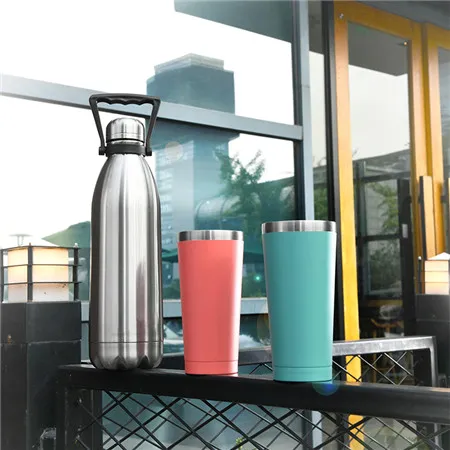
Foshan Calmora Bottle Co., Ltd. operates a vertically integrated factory equipped with automated production machinery, double-wall vacuum sealing chambers, and precision silicone compression molding systems. Our factory's capabilities have evolved to handle complex high-volume orders for European and North American custom brands.
Through our dedicated OEM and ODM programs, clients can customize physical parameters such as wall thickness (ranging from 0.3mm to 0.8mm for TPU models), mouth diameters, anti-leak valve interfaces, and branding techniques including screen printing and laser marking. In alignment with global environmental guidelines, our raw materials undergo strict batch inspections, ensuring compliance with REACH and RoHS standards before processing begins.
The CE (Conformité Européenne) marking is a mandatory requirement for collapsible flasks exported to the European Economic Area (EEA). To secure a CE certificate for food-grade flexible drinking vessels, products must undergo testing in accredited laboratory facilities (such as SGS, TÜV, or Intertek) to prove compliance with key regulations:
| Standard ID | Regulatory Scope | Evaluation Metric |
|---|---|---|
| EU Regulation No. 10/2011 | Plastic Materials in Contact with Food | Overall & Specific Migration of harmful substances in simulated food contact environments. |
| EN 1186 | Materials and Articles in Contact with Foodstuffs | Liquid chromatography testing under varying temperatures to monitor polymer degradation. |
| LFGB Section 30 & 31 | German Food and Feed Code | Sensory testing (taste & odor migration) verifying the material does not alter flavor properties. |
| FDA 21 CFR 177.2600 | US Food & Drug Administration Code | Extraction testing in distilled water and n-hexane to ensure safety under extreme exposure. |
When selecting an exporter, buyers must request a complete Declaration of Conformity (DoC) linking the product batch code to the manufacturer's accredited laboratory test reports. Importers should avoid suppliers who offer generalized certificates without corresponding product reports.
The flexible hydration sector is moving toward high-performance materials and eco-friendly designs. Key trends driving development include:
Discover more of our versatile, high-durability products built to meet international quality standards.
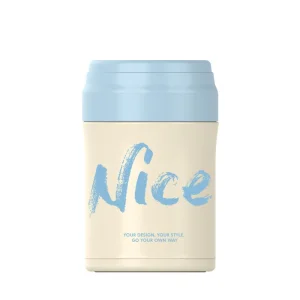
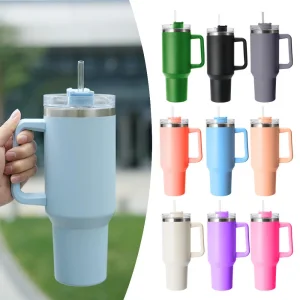
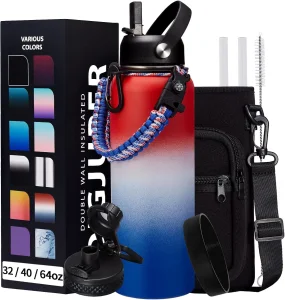
 Calmora Bottle